

At every auto show there are always a few surprises from manufacturers that warrant a double take. Sometimes you actually have to take a closer look before you realize that the new curvy and elegant sedan you are looking at is in fact the new Mazda 6. Manufacturers who are re-branding themselves or potentially entering or leaving new ownership will debut a model that indicates a new direction for the company. This can come in the form of total design shifts or even placing a model in a new market segment. Think about cars that do not follow an evolutionary design like the Porsche 911 or Chevy Suburban. Below are ten cars that best represent that initial moment of surprise and disbelief.
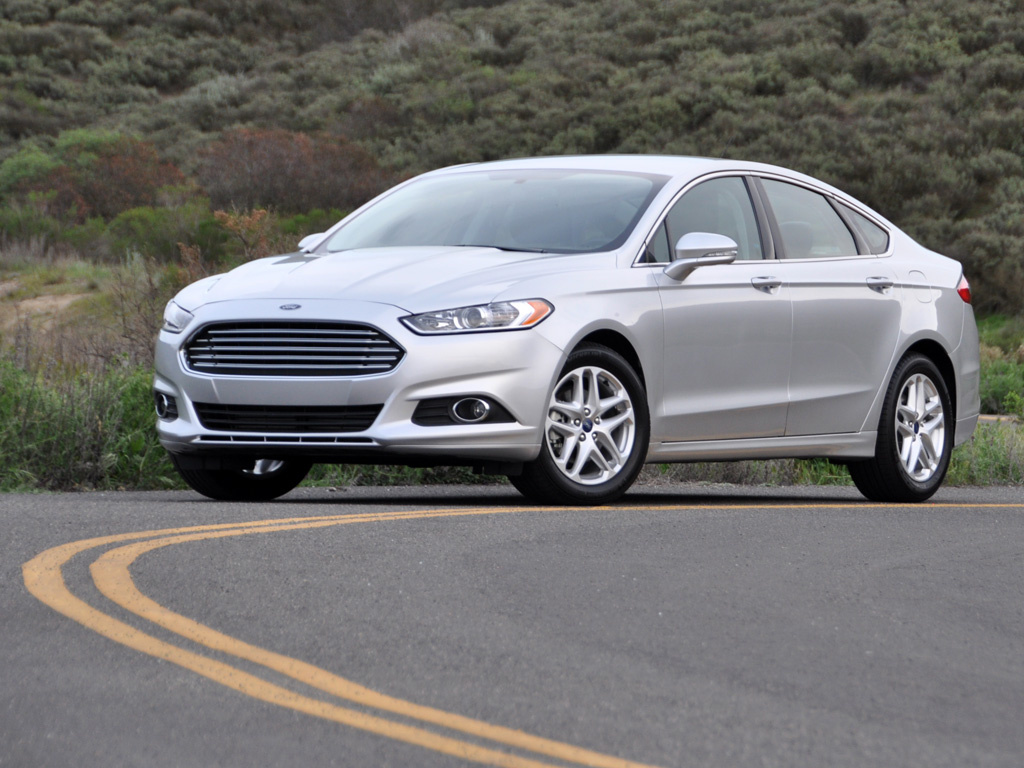 Ford Fusion (2013)
Ford debuted their new design language with the third generation Fusion. The design element commonly referred to as the “Aston Martin Grill” seen on many other models following the 2013 Fusion. Ford moved away from the generic and boring looks of the first and second generation Fusion to create a much more distinctive design in their family sedan. The lines on the Fusion are now much more aggressive.
 Hyundai Sonata (2011)
Essentially marking the beginning of Kia and Hyundai’s comeback were the new midsize sedans; the Optima and the Sonata. You could say that just about anything new from Kia and Hyundai afterwards followed the same kind of shocking advances in design and build quality, but these two are what really gave Kia and Hyundai some attention. Ditching the anonymous looks of the outgoing models, the new Korean sedans matured into sharp looking sedans with nice flowing lines to separate themselves from the Accords and Altimas at the time. The same styling cues worked their way into the remaining lineup we know today.
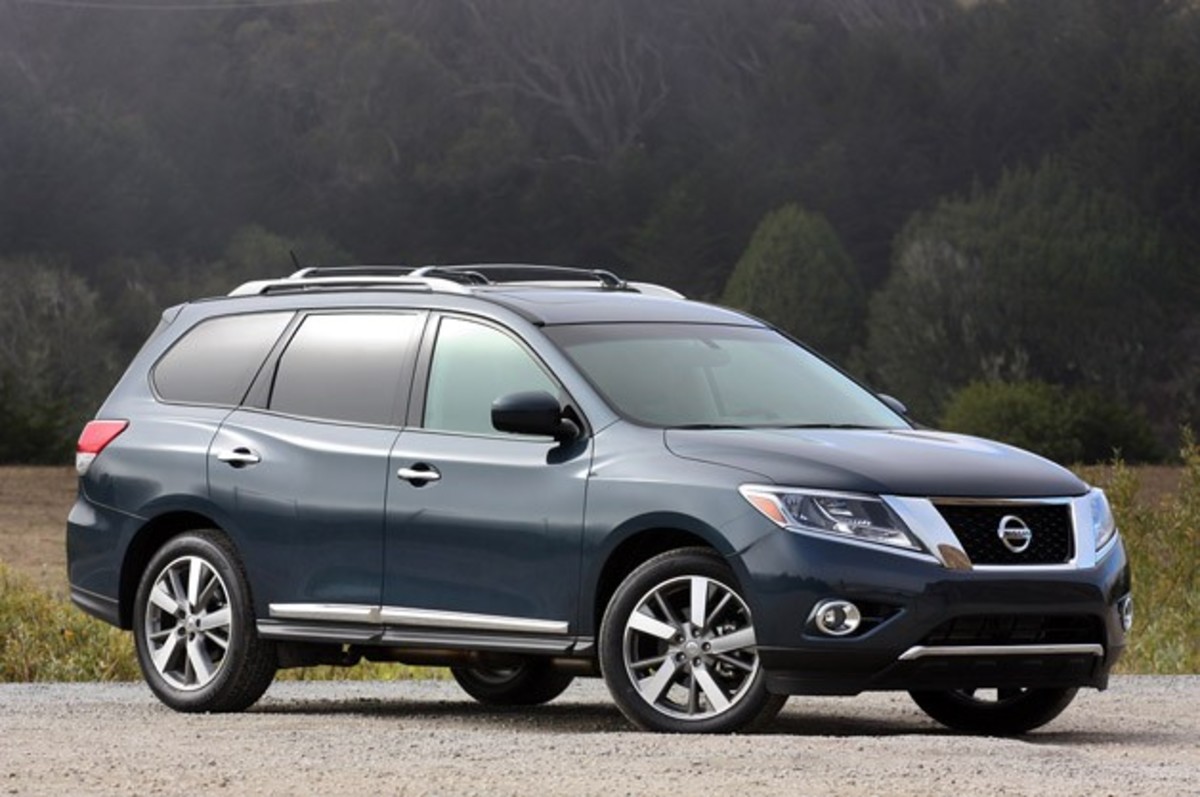
Nissan Pathfinder (2013)
The Nissan Pathfinder had always been a rugged and boxy styled midsize sports utility vehicle famed for its reliability. All that changed in 2012 when the fourth generation debuted as a generically styled three row crossover. Although, the Pathfinder still looked good its target audience shifted to more family oriented buyers. Gone were the straight cut lines of the previous model in favor of a more crossover focused design to compete with the Toyota Highlander and Chevy Traverse.

Honda Pilot (2016)
Another similar case to the Nissan Pathfinder, the Honda Pilot had always been a spacious crossover even in its second generation, but for its third generation Honda decided to take one of the more distinctive crossovers on the road and make it look like anything else from its rival brands like Toyota and Nissan. The boxy design of the second generation Pilot won favor in the crossover market, but it now looks like an awkward clash of the CR-V and the Odyssey. Although, Honda will still sell plenty of them since most crossover buyers care more about interior packaging than a bold exterior look.
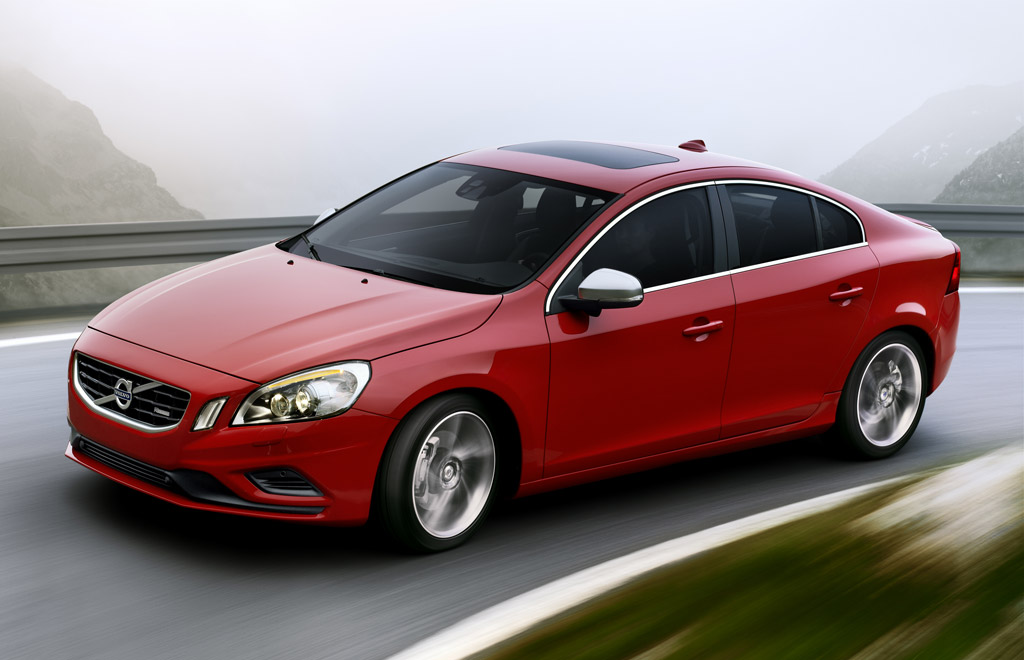
Volvo S60 (2010)
In 2008 Volvo debuted the S60 concept which featured stylish lines and heavily revised front face. Volvo then put much of the S60’s design elements into second generation production model in 2010. The S60 was Volvo’s first step away from their boxy design language that they had followed for so long. Most Volvos before the new S60 almost became synonymous, the differences between an S40, S60, and S80 were becoming blurred, but the second generation S60 gave Volvo some much needed publicity to spark consumer interest.
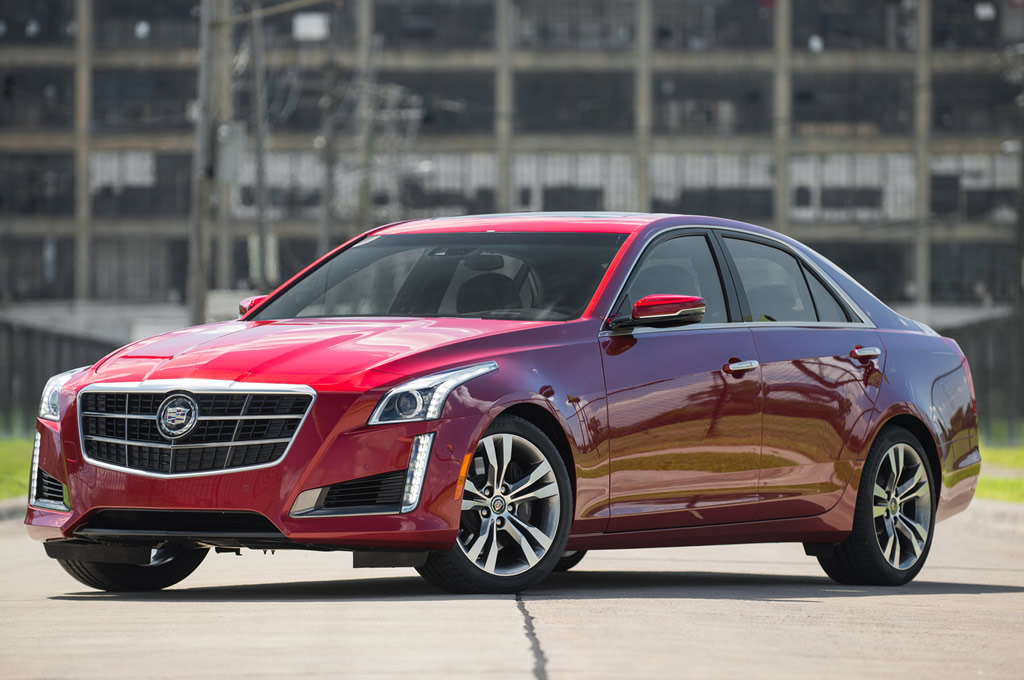
Cadillac CTS (2014)
Cadillac made a whole bunch of changes to the third generation CTS. The significant change was its shift in Cadillac’s lineup, moving from the compact sports sedan that it was during its second generation to a midsize sports sedan to compete with the BMW 5-Series and Mercedes E-Class. This move of course made sense since Cadillac had recently introduced the ATS compact sedan and coupe to compete with the BMW 3-Series and Mercedes C-Class. With its entry into a new market segment it was obvious that the styling would take a pretty dramatic turn as well looking much more spacious and premium compared to the outgoing model. Plans for a wagon and coupe variant of the new CTS were left behind once the ATS coupe debuted making the 2014 CTS feel even more far removed from the second generation model.
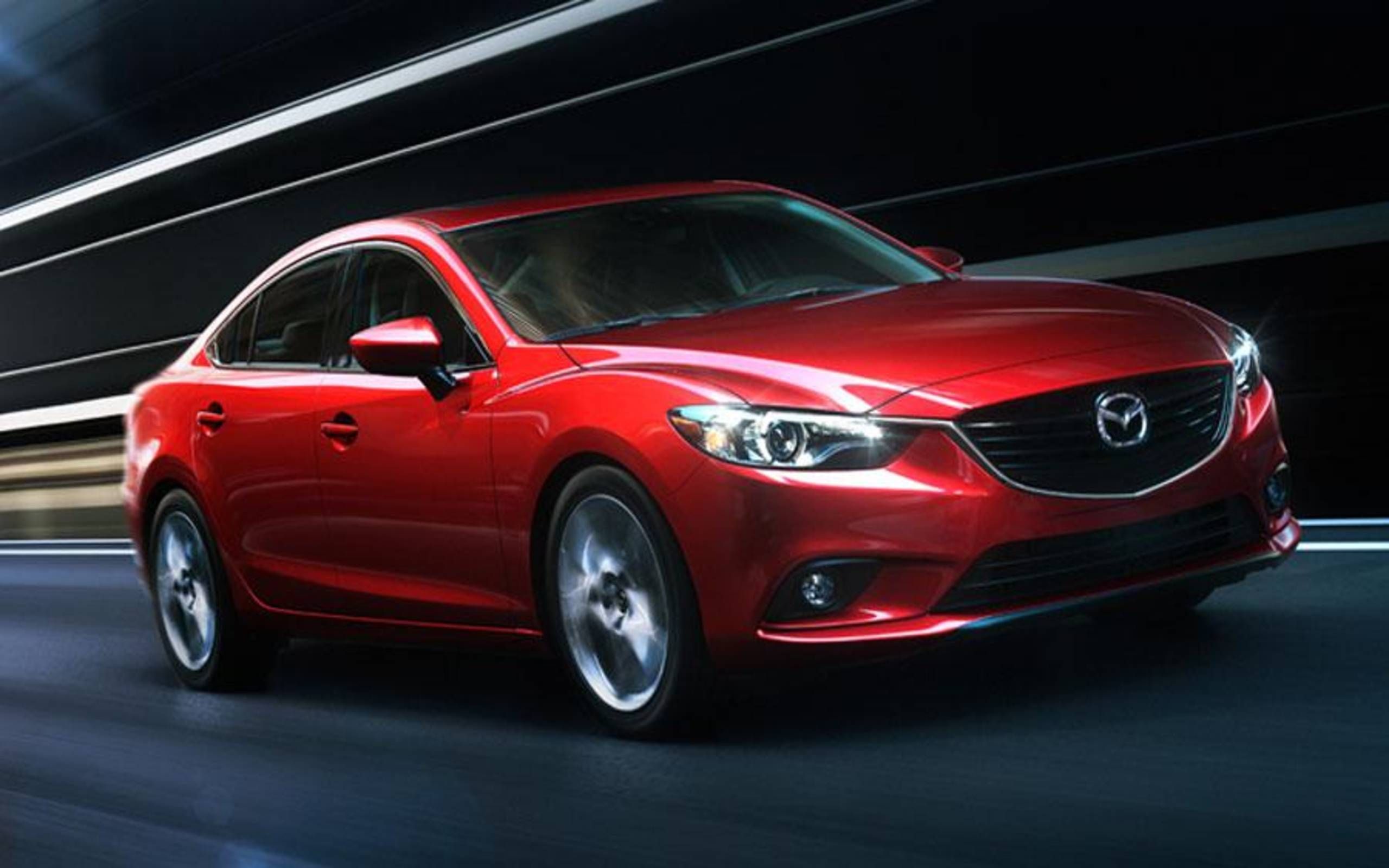
Mazda 6 (2014)
The first two generations of the Mazda 6 quickly fell behind the competition due to lack of innovation, poor materials, and forgettable looks. Mazda made sure not to make the same mistake with the third generation model which they used to present their new distinctive design language. An important step forward for Mazda after exiting their Ford ownership not that long ago. The new model had a more well thought out interior that felt like cars one class above it along with all new curvy exterior styling that separated it from any other family sedan on the market.

Chrysler 200 (2015)
Chrysler didn’t fool anyone when they re-branded the aging Sebring as the “new” 200 in 2010. The 200 was almost completely identical to the car it replaces and quickly became a favorite among rental lots instead of family driveways. Chrysler put a much greater amount of effort into the second generation 200 for 2015. Completely new body work, brand new up to date interior packaging, and the slow selling convertible model was no more. The new 200 marked Chrysler’s strong intentions to become the more premium brand of Fiat-Chrysler Automobiles.
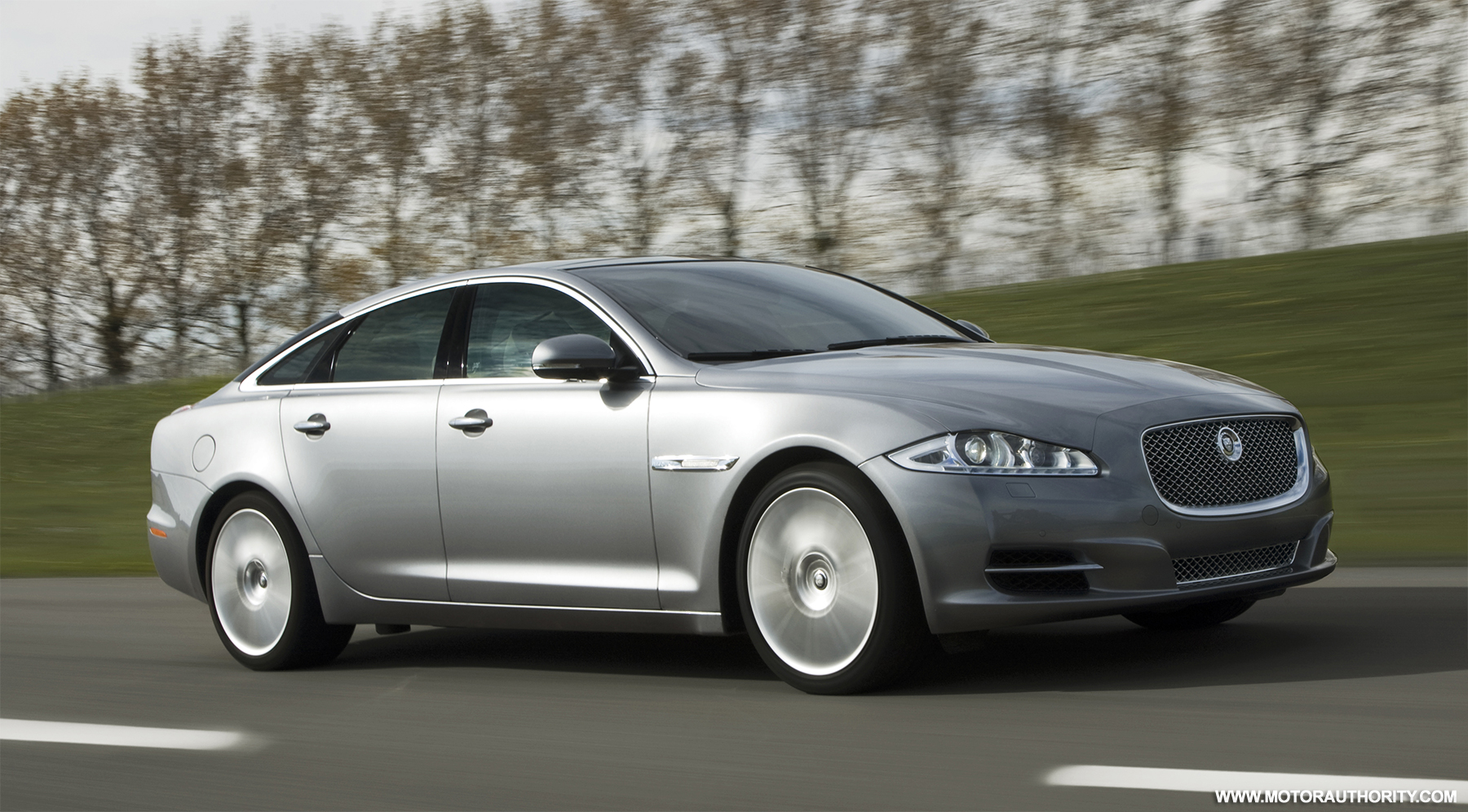
Jaguar XJ (2010)
Jaguar had long been obsessed with keeping a retro design element in their model lineup until they replaced the S-type sedan with the XF. When it came time for Jaguar to create a new premium sedan, they debuted the much more contemporary XJ in 2009 that finally ditched the retro styles that the XJ had used for decades. No more boxy outdated lines with the four headlights upfront. The longer and wider body complemented the styling of the new XF well and the XJ now looked on par with other top spec luxury cruisers like the Mercedes S-Class both inside and out.

Nissan Maxima (2016)
Nissan showed us their sports sedan concept and said that it heavily previewed the design of the next Maxima, but most people doubted that until Nissan showed us the production 2016 Maxima at the 2015 New York Auto Show. We have seen some of the new design elements in models like the Murano, but now Nissan’s new distinct front end was making its way on to the Maxima. The result looks nothing like it predecessor and is certainly the most easily recognizable sedan in its class.