
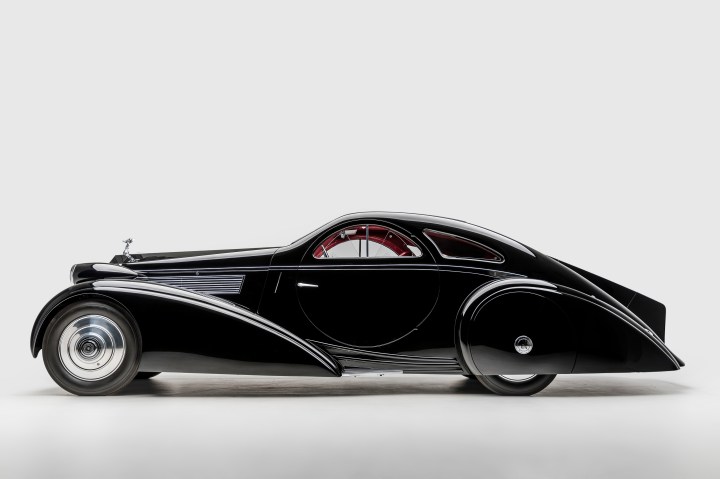
During the 1920’s, 30’s and 40’s, the art of coach building was a sub-industry of its own within the automotive business, popular among the wealthy purchasers of brands such as Packard, Rolls-Royce, Bentley, Delahaye, Auburn, Alfa-Romeo, and Mercedes-Benz. Upon purchasing your vehicle, which would actually be more of a rolling chassis, you would then elect a coach building firm of your choosing to craft unique body work for your vehicle, specific to your tastes. This created a near limitless sense of automotive creativity and exclusivity, with most owners not being bound by the financial constraints of these creations. The result was a wide assortment of bespoke automobiles resembling more of a rolling sculpture than anything else, vehicles like the 1925 Rolls-Royce Phantom I Jonckheere Coupe (Round door).
In the last 50 years, this art has all but vanished. Luxury and exotic car manufacturers now own all components of the production process and the wide variety of coach building firms are no longer in business. Of course, some have remained in practice due to long standing partnerships, such as Zagato with their unique body work being offered on many Aston Martins over the decades.
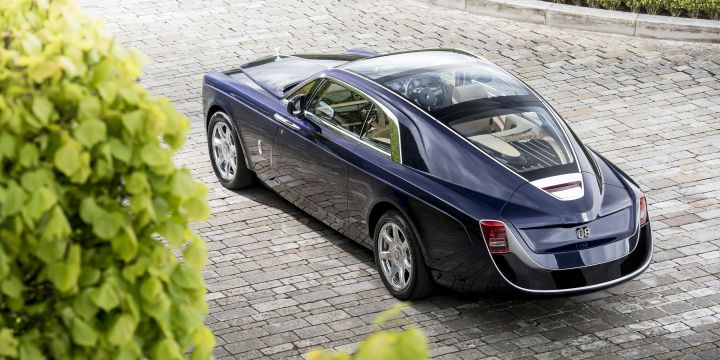
However, within the last decade, we have started to witness a return to this form of exclusivity and artistic freedom, but the business model isn’t exactly the same. Now instead of being a three party process, we have consumers working directly with OEM’s to commission their one-off creations, in house, without the use of a standalone auto fabricator. This has not only been a more efficient method of “coach building”, but it has allowed today’s top tier brands to engage directly with their elite client base, as they learn more about their tastes and what types of creations speak to their brand appeal. As a modern comparison to the 1925 Phantom above, in 2013 a new one-off Rolls-Royce was commissioned between the brand and its owner, which would take almost five years to complete. In 2017 the Rolls-Royce Sweptail debuted in Italy as a one-off $13 million dollar vehicle based off the chassis of the Phantom VII. If coach building were to see a modern resurgence, the Sweptail signaled both the visual impact and financial investment deemed necessary by this niche market segment.
In the last decade, many similar examples have begun to surface from prestigious brands known by all enthusiasts.
In 2012 McLaren built a one-off vehicle called the X1. It was based off of the MP4-12C, their current flagship at the time, but with wildly contrasting body work. While the underpinnings of its monocoque chassis remained intact, the exterior became an entirely different vehicle.

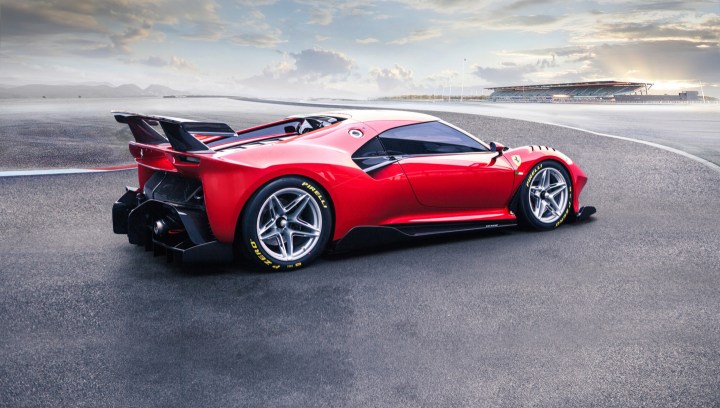
In 2019, Ferrari completed their first one-off track car for an international customer, the P80/C. Based off of their 488 GT3 race car from Scuderia Ferrari.
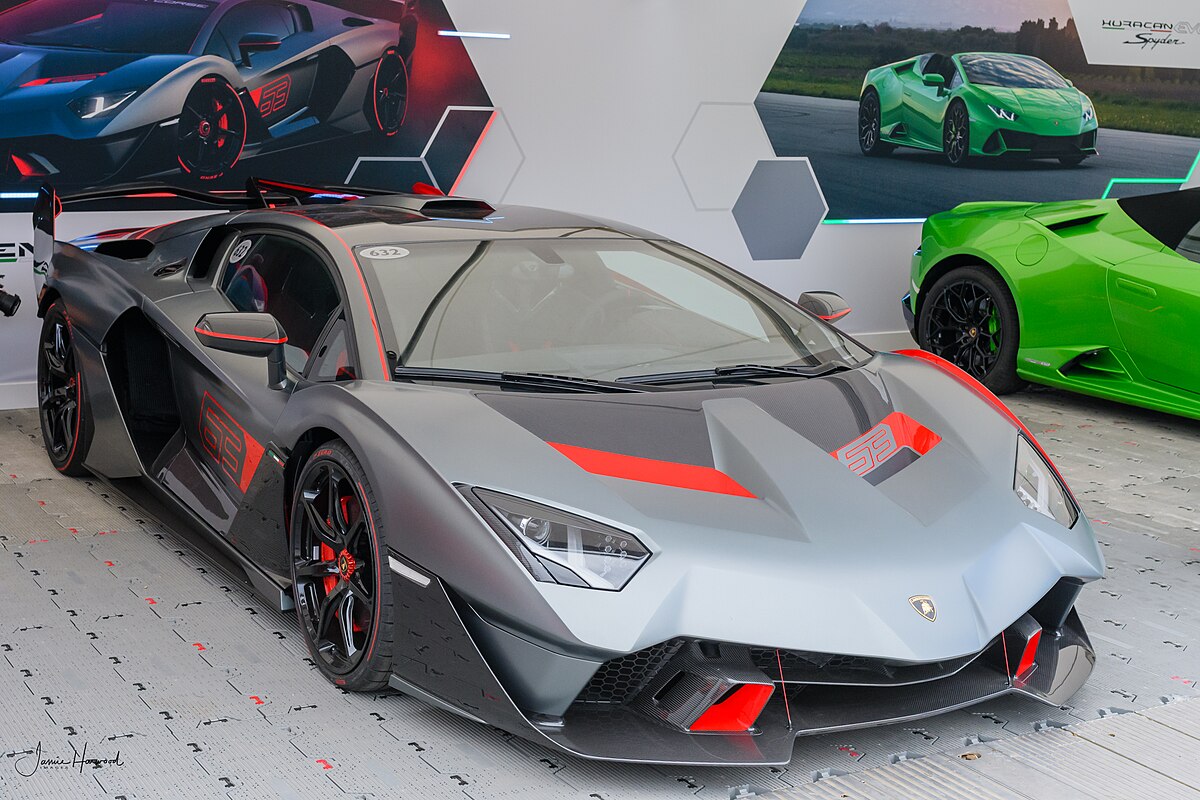
Lamborghini also debuted a one-off with similar origins in 2019. The SC18 Alston is based off of the aging Aventador, but is the first creation from their in house racing division, Squadra Corse.
Bugatti also stole the 2019 Geneva Motor Show with their new La Voiture Noire. A $19 million tribute to one of their most beautiful and coveted cars, the 1957 Type 57 SC Atlantic. The Type 57 itself represented the concept of an automobile serving as an art piece, the La Voiture Noire carries that same ethos forward for the famed brand.
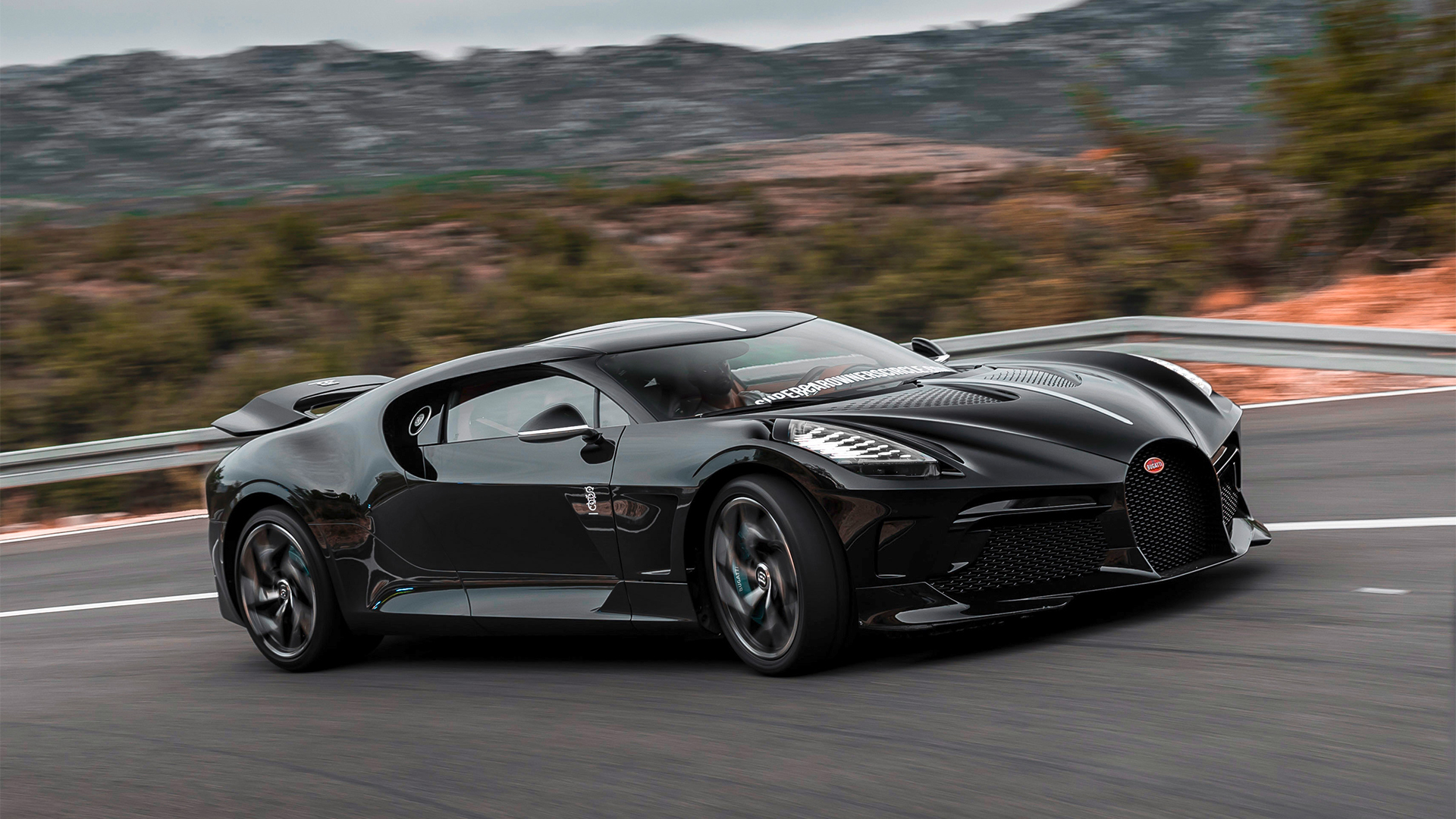
OEMs have now created high demand and a sense of anticipation behind these one-offs, and it has allowed them to expand their offerings, sometimes making several dozen units of these vehicles, if not more.
Sticking with Bugatti, they aren’t finished with making new models inspired from their past just yet. At Pebble Beach 2019, they revealed the CentoDieci, a celebration of both their 110th year anniversary and the EB110. Unlike their reveal at Geneva, the CentoDieci would see a limited run of 10 models, all based off of the Chiron underneath.

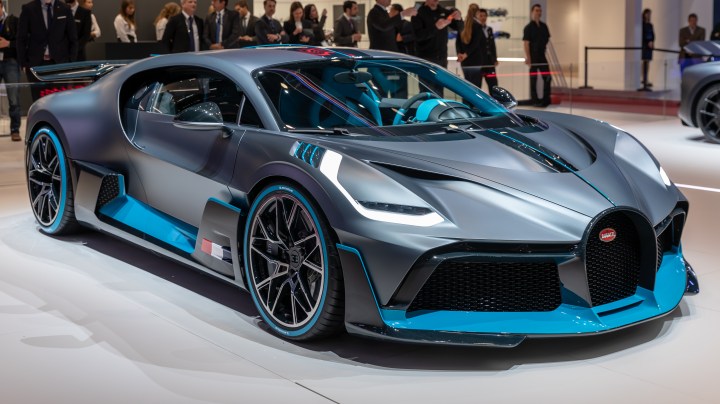
Last year Bugatti also debuted the Divo, a track focused model limited to 50 examples, also based on the Chiron. Within one year, Bugatti had found space in the market for three new creations generated from the Chiron, each with their own distinct purpose and character.
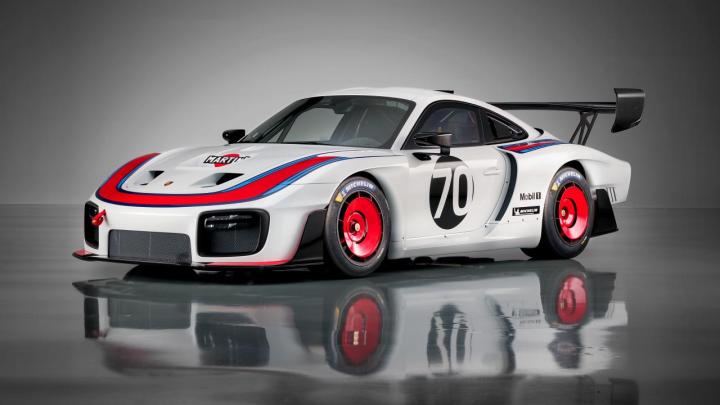
It seems Porsche was also feeling a bit nostalgic in 2019, showing off their new track focused super car, the 935. While the new 935 is based on the GT2 RS, its name and design was an obvious call back to their legendary race car from the 1970’s, the 935/78 (Moby Dick). While Ferrari and Lamborghini’s track focused creations were one-offs, Porsche decided to offer their new 935 with a run of 77 units.
Alfa Romeo also utilized an Italian design house, Touring Superleggera, to create the Disco Volante in 2013. A run of eight specially built coupes, based on the 8C Competizione. The model was praised for its striking looks and was later followed by a Spyder model in 2016.

Successful limited run and one-off models from these brands have not only been making consistent debuts, but they have been selling out all of their units quicker than before. This has drawn increased attention from other new brands or sub-brands of existing OEMs.
A design and engineering firm called Italdesign Giugiaro was recently acquired by the Volkswagen Auto Group. The new direction for the brand is to offer exclusive low volume super cars with unique designs, while sharing the engineering behind some of the groups most successful models from Lamborghini, Bugatti and Audi. Their first car called the ZeroUno was announced in 2017 and will be limited to five units, sharing its V10 and other mechanical components from the Huracan / Audi R8 models. The exterior remains entirely unique using a fusion of design cues from other exotic Italian brands.

New companies are emerging to drive exclusive designs forward, but there is also a market for hand built creations based on successful designs from the past. The legendary Lacia Stratos is getting a second run via a firm under the name of Manifattura Automobili Torino. The company originally debuted their interpretation of a modernized Lancia Stratos in 2010, basing the chassis off a modified version of the older Ferrari 430 Scuderia. They have now confirmed that the specially made vehicle will be heading to a limited production run of 25 in 2019.

Across several categories, inspired by past, present and future; it seems that the attraction to coach building may be here to stay into the next decade and beyond. It allows collectors and enthusiasts the opportunity to explore the idea of turning their vehicle into something that is unique to them, or a small group of followers. In house customization studios such as Aston Martin’s Q have also grown in popularity across the high end market segment. This revised concept of coach building takes the consumer to OEM experience to the next level. For those who cannot afford that type of experience, we can at least marvel at the wild and unexpected creations that come from it.