Automotive retail auction websites such as Bring a Trailer, Cars & Bids, Collecting Cars, and many others have quickly become a dominant channel for transacting rare, interesting, unique, and valuable vehicles within the enthusiast community. The success of these platforms has captured the attention of buyers, sellers, collectors, consignors, and dealerships from around the globe, frequently generating millions of dollars in total gross merchandise value per day, all year round.
However, despite the growing adoption of these websites to transact everything from a $9,000 Honda Acty to a $5.3 million LaFerrari Aperta, I have found that many owners and sellers still fail to consistently execute the steps required to generate the highest possible return from selling vehicles in this highly liquid sales channel.
Firstly, I should mention that retail auctions are not suited for everyone, as they do require a substantial time investment, which will also involve additional costs related to vehicle preparation and reconditioning, not to mention the listing fees and seller commissions charged by some auction platforms. Additionally, retail auctions are currently limited to supporting specific vehicle categories within the collector and enthusiast markets, meaning you will need to explore other channels if you want to sell a Nissan Rogue or Toyota Sienna.
While working at Cars & Bids, I’ve seen my best clients successfully secure higher retail sale prices for their vehicles, but I’ve also seen other clients leave money on the table by under utilizing the necessary components of a well executed digital auction. Before committing to an auction, it is important to understand the costs, terms, and process to ensure it is the right exit strategy for your asset. If your vehicle is desired by the digital auction community and you have selected your platform of choice, you will secure the highest possible result by following my proven playbook of retail auction success tactics. Private owners and dealerships of various sizes can use my below methods to secure stronger returns on their investments, sell fast, and build a positive online reputation for themselves or their business during the process. So, with that said, here are my tips for success, listed out in the order of operations you should follow.
Prepare Your Vehicle For Its Next Owner
Before the vehicle heads to the auction block, you should ensure that it is fully up to date on all required services, address any minor fixes required, and overall get it sorted to a state where you’d be happy to take ownership if you were the buyer. Dealerships refer to this process as reconditioning, and it gets applied to any vehicle they purchase for re-selling on their lot. If your car is due for an oil change, get it done. If a few exterior bulbs are burnt out, get them replaced. If the battery is running low on charge, the brakes are worn, and the fluids need changing, get it all done. Keep in mind you will never get back dollar for dollar on servicing costs, especially when they are standard maintenance items, but incrementally, the additional bids generated by doing so will secure a higher sale price compared to not doing them.
Now of course, this should all be done within reason. For example, if your Mercedes-Benz C63 AMG has not had its costly head bolt replacement job completed, and there are no signs of failure, then you can let it be, so long as you are prepared to address questions about the service history and accept a slightly diminished sale price compared to the same vehicle with that significant service already completed. However, anything else that you fail to address will not simply slide under the radar during your auction. The buyers within these auction websites are knowledgeable, and you will be asked about any gaps in service history or noticeable defects shown within your photo gallery. Not completing these services prior to the auction can send a negative signal to your audience that the vehicle has not been well cared for or that you were too lazy to fix inexpensive wear and tear items. Be sure you keep hard copies of all those service records too, you will need them!
Tires are another popular topic that I get asked about when it comes to vehicle reconditioning. Generally, there are two paths that buyers accept for vehicles with low tread depth; put on new tires prior to the sale OR leave the old tires on so that the new owner can select their preferred tire after taking delivery. Car enthusiasts can have very specific tastes when it comes to the tires they want on their performance vehicle, especially when you consider that some vehicles may be daily drivers with all season tires, whereas others may be swapping between winter and summer tires. My opinion here is that this should generally come down to a combination of personal preference and vehicle specific judgement calls. If you choose to sell your car with old tires on, just be sure that the reasoning is disclosed within your auction so bidders can budget accordingly for the cost of new tires, as driving on old or worn tires can be dangerous!
Remove Modifications
Yes you can still auction your modified vehicle, but generally speaking, the buyers within auction platforms will assign a higher dollar value to vehicles that are stock and highly original compared to modified examples. If you have the means to un-modify your vehicle AND you still have the original parts, I would advise you to swap out the mods, as it will make your car that much closer to stock and generate a stronger return. For any mods that you cannot reasonably undo, include the original parts within the auction. This will provide the new owner with the option to undo the mods themselves or leave them as is.
Now again, there are some exceptions here for certain mods that are highly sought after within a specific segment of vehicle. Some mods can potentially add value. Examples could include Ferrari manual transmission swaps, BMW Dinan packages, Hennessey performance packages, or OEM+ changes that are agreed to enhance the performance or longevity of specific parts. Nevertheless, even when considering mods that enhance the value of your vehicle, you must recognize that the cohort of potential buyers looking for your specific mods are generally going to be smaller than the cohort looking for stock examples, which is an important risk factor to consider when selling in a time locked auction format.
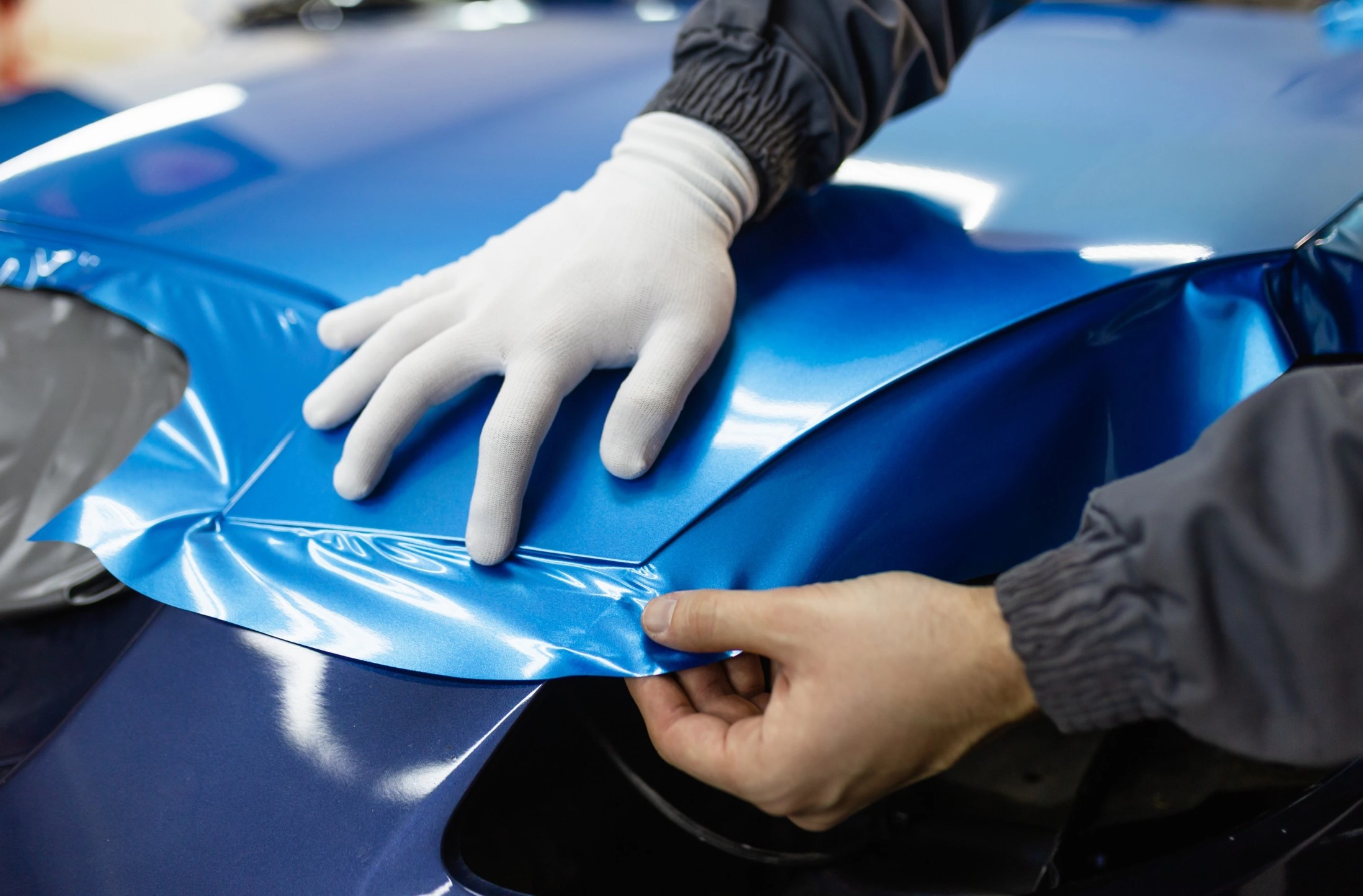
Another more challenging part about modified cars are exterior wraps. Many cars get wraps applied to change their color and appearance, but you can expect audience members to bid with a heightened level of skepticism if your car is auctioned with a wrap on it. This is because wraps hide the OEM paint, leaving question marks about the actual condition of the original paint underneath the wrap, as they can easily be used to hide defects and heavy scratches. Pulling off the wrap from your vehicle can be a timely and costly process, so this is not something you are expected to do, but if you have the means, it is a good idea. A useful method to navigate concerns when auctioning wrapped vehicles is if you can include pictures of the exterior paint before the vehicle had the wrap applied. This will provide bidders with peace of mind regarding the paint condition, in case they decide to remove your wrap after purchasing the car.
Clean Everything To Showroom Fresh
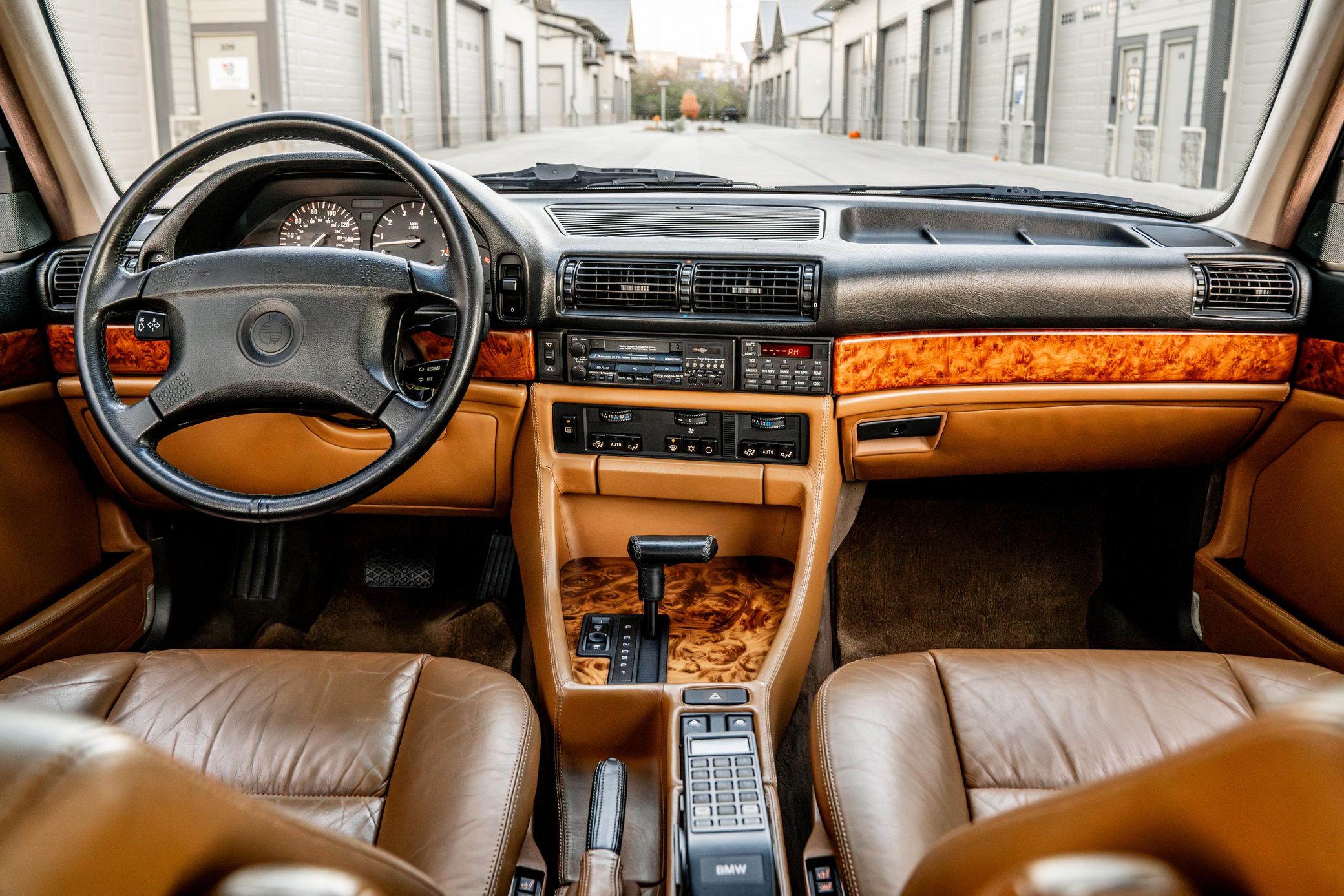
Yes doing this properly will cost you a fair amount of money, but it will secure stronger bids and buyer confidence, which saves you from getting called out in the comments and avoids additional headache during the next step…
Invest in High Quality Photography & Videography
Now that your car has been freshly detailed, it is ready for its time in the spotlight. If you only take away one lesson from my auction success playbook, it should be that large quantities of high quality photos and videos are the best thing you can do for your auction. Again, this comes at a cost ranging anywhere from $300-$900 depending on your location and the quality of your photographer, but the results in this area so clearly speak for themselves.
Before you book a photographer (or complete the job yourself), make sure you’ve secured a nice photoshoot location free of distractions and plan accordingly for clear weather. Do not simply pull your car into a vacant parking lot next to a busy street after work, take 50 photos and call it day. Outdoor photos are generally going to appear more inviting and natural compared to showroom or photo booth galleries, as it allows the bidders to appreciate the vehicle in a more relatable setting (this is why rolling shots get people excited, if capturing some is possible). Overcast days make for perfect weather conditions, as the details of your vehicle will not be interrupted by sharp shadows or aggressive glare from the sun. Make sure the car has plenty of room at your chosen setting, as you will want to occasionally reposition the vehicle for certain shots to ensure the lighting is captured properly.
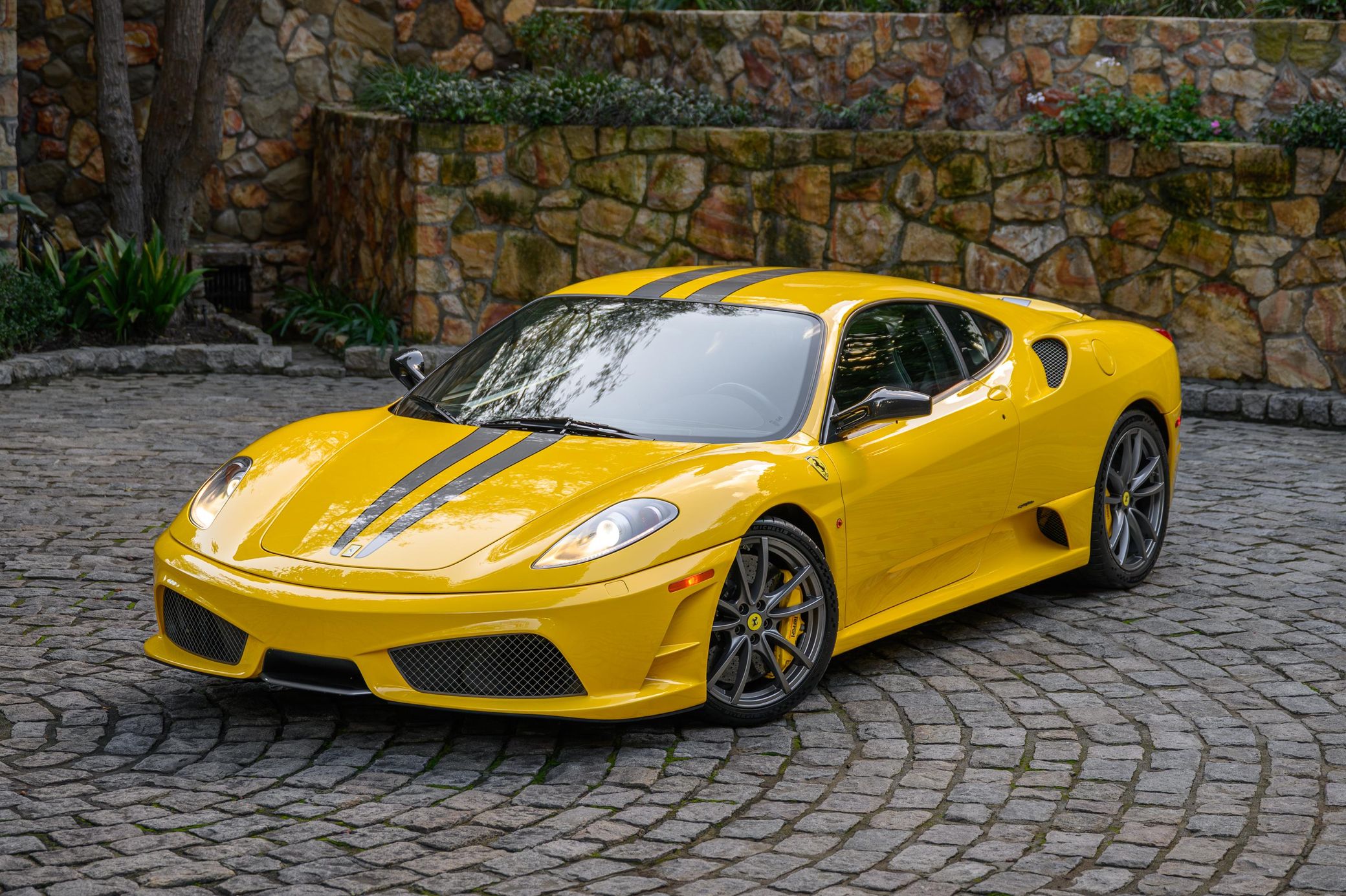
It’s also important to remember that your photoshoot is not limited to only the vehicle itself. During this time, you should also be taking clear and high resolution photos of all items included within the sale of your vehicle. This means all accessories, spare parts, booklets, brochures, owners manuals, service records, original window stickers, keys, valet keys, luggage kits, wheels, tires, and anything else you will be giving to the winning bidder. If these items are called out within the auction text, but not pictured, you will likely be asked to go get some pictures of them during the auction. Save yourself the time by capturing everything up front.
In terms of videos, I recommend having a few different short form videos filmed in landscape mode showing the car starting up, both from outside the car and from inside looking at the gauges. Walk around videos are a good idea, and driving videos if you have the mounting equipment or a second person to help you film. You can take specific videos to get up close on specific imperfections that you may want to show more of. If you have a convertible vehicle, you should try and take a video showing the top in operation. If you are comfortable behind the camera or with voiceover, feel free to get creative and add dialogue about your vehicle.
I also urge you not to fall victim to the false belief that high quality photos are only worthwhile for more expensive vehicles above a certain price point. Literally any vehicle will benefit from a high impact photoshoot, regardless of price. For example, take this 1988 Isuzu Trooper that a friend of mine shot for an auction on Cars & Bids. The auction featured over 300 pictures taken in an off road stunt park, with an award worthy headline photo. Despite the car having almost 300k miles and being worth under $10,000, these are the types of auction galleries that get bidders excited, boost its exposure, and deliver top retail results. Although it may be more common to see exceptional photo galleries for expensive collector vehicles like this R34 Nissan Skyline GT-R, do not underestimate the result they can deliver within any price point. Buyers within these website want to feel that they are getting a curated experience when shopping, and high quality photo galleries do exactly that and get them thinking “damn, I want that car right now!“. Any enthusiast can relate to that feeling when shopping for a car, regardless of how expensive or inexpensive the vehicle is.
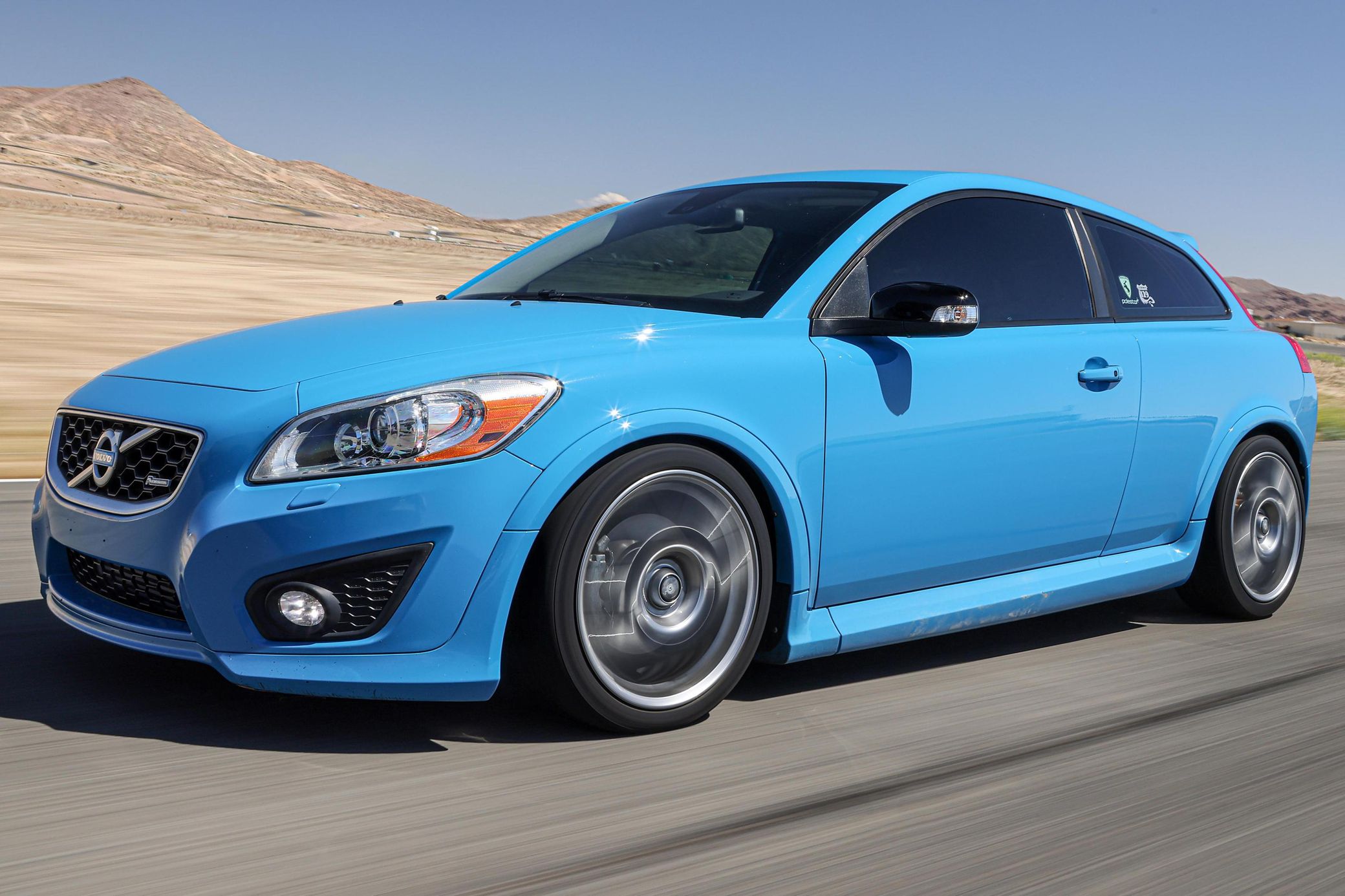
Auction platforms allow you to sell your vehicle with a private reserve price that bidding must pass before committing to the sale OR you can sell your vehicle for no reserve, meaning it gets sold to the highest bidder at the end no matter the final price.
I know I know, no reserve sounds incredibly scary right? Objectively yes it carries more risk, as the security of a safety net is gone, but in the majority of cases, auctions sold without a reserve secure results that are higher than those with a reserve. Why does this happen? Well, there’s a few reasons actually.
From the perspective of potential bidders, when they see an auction tagged as “No Reserve” on the website, it grabs their attention and motivates bidding more than a reserve auction would. This is because, everyone in the auction room knows that someone is taking the car home when the clock winds down, and then that’s it! No second chances to track down the car later on and purchase it privately from the owner, or hope that maybe it will show up for auction on a different website (a common theme for vehicles that fail to meet a reserve price once). When bidders engage in a no reserve auction, they all know that everyone is playing for keeps and when it comes down to the final minutes, any new bid could legitimately win the car!
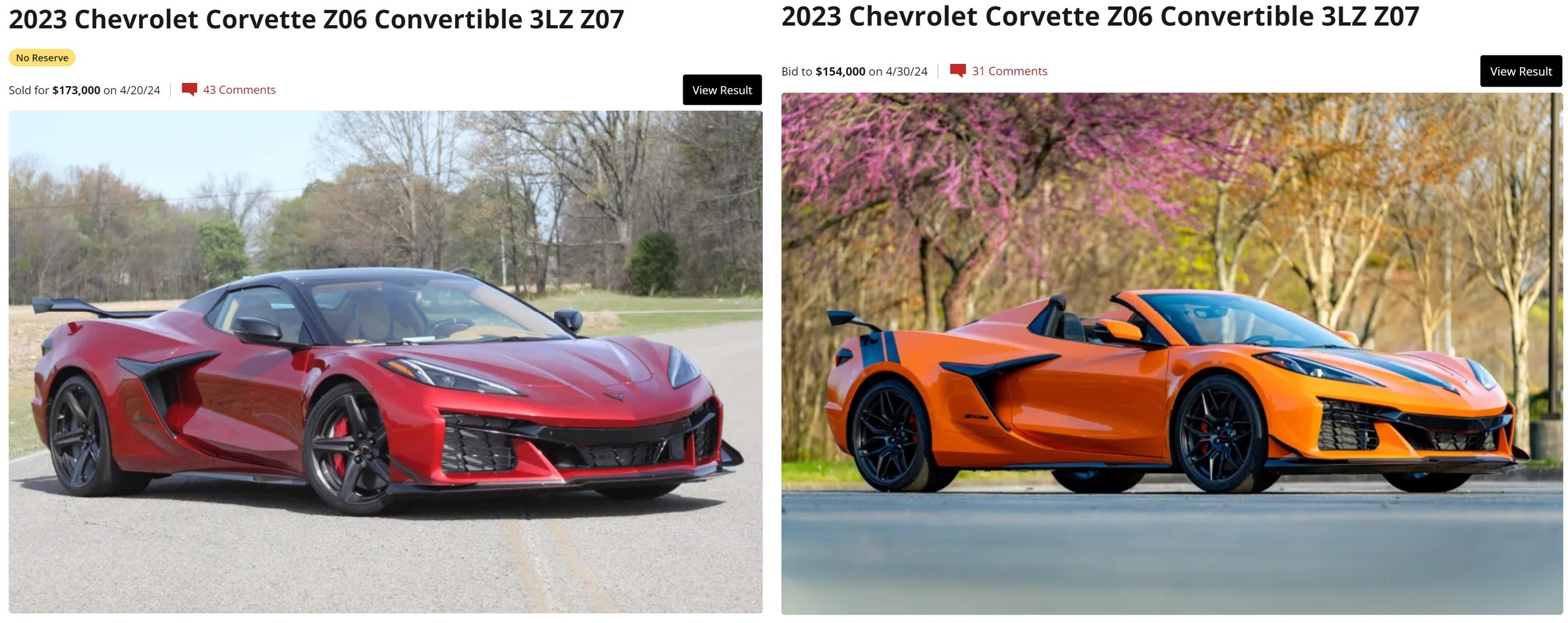
No reserve auctions also send a strong signal of confidence to all bidders, as it shows that the seller is fully committed to selling the car right now for whatever value the market dictates it is worth. Confidence sells. For all of these reasons, no reserve auctions generally see more views, bids, and comments as they get circulated more throughout the community of auction users and enthusiasts. For example, look at the comparison below where we see two identical C8 Z06 convertibles with the same trim, auctioned during the same month, on the same platform, and in the same state. The red one sold for $173k via a no reserve auction, while the orange one failed to sell at a high bid of $154k just ten days later when it failed to reach reserve. The vehicle differences were their exterior colors and the orange model had 288 less miles.
It is worth remembering that by this point, you (the seller) have invested your own time and money to successfully bring your vehicle to the auction block. Do you really want that investment to go to waste and risk the vehicle not selling in a reserve auction, only to be stuck with the same car to sell in the end? Sure you have a fancy photo and video gallery that you own and can use elsewhere, but why go through the whole process again or spend time sourcing a buyer from elsewhere? Most of the time, cars that fail to reach a reserve do not suddenly shoot up in value by auctioning them a second time within quick succession. If you are truly ready to sell the car, then your best shot at securing the maximum retail value for your vehicle is the first time it hits the auction block, so make the most of your hard work and motivate bidders by selling it for no reserve.
Engage, Engage, Engage!
Okay, so you’ve gotten to the point where you auction is now live and ready to accept bids from potential buyers. This is where the fun begins, but it’s not smooth sailing just yet. Remember that these auction platforms have vibrant communities of users who will be leaving comments, asking questions, reaching out to you, and potentially even coming to check out the vehicle in person during the auction time frame. During this time, it is important to remain continuously engaged with the community and ultimately get them pumped up about the idea of potentially owning your vehicle a week from now.
Keep in mind, this doesn’t just mean to answer their questions quickly and call it a day. You should be engaging and responding to all posts that share feedback about your car, stories, or general knowledge and enthusiasm. Doing this continues to paint the picture that you are not only knowledgeable about your vehicle, but a pleasant person to communicate with and do business with. Remember that most bidders are evaluating the purchase of your vehicle sight unseen, and the winner is wiring funds to a stranger online. Any excuse that you provide them to doubt your legitimacy, enthusiasm, or transparency will be used against you in the form of less bids, or worse, combative comments.
So, how should actually handle the need to be responsive and ever present in your auction? It does not mean that you need to be glued to your computer 24 hours a day until the auction is over. I recommend the following. Within the first few hours of your auction, post a nice introduction comment within the listing, welcoming bidders to your auction, thanking them for their interest, displaying your eagerness to support questions, and perhaps share some fun facts about the vehicle or stories from your ownership. From there, dedicate at least 20 minutes each day to login and tackle all Q&A and general comment discussions. When the auction is over (and hopefully sells!) make sure you leave a final comment congratulating the new owner and thanking all involved bidders for their participation in your auction. This is a great time to show your buyer that you are making yourself available for next steps and looking forward to completing the transaction in a timely and respectful manner.
Treat All Bidders & Commenters Equally
I want to dive a bit deeper on this topic for a minute, as I would frequently see sellers on auction platforms make the mistake of only interacting with users who have placed a bid on their vehicle. Given the time involved to properly engage with all users, some of whom might not always conduct themselves in a respectful manner, sellers can frequently convince themselves that a specific user is not worth responding to because their lack of a bid labels the user as being “not a serious buyer”. This is a honestly short sighted and a dangerous mistake to make as a seller.
While it is true that most auction platforms will directly show you which commenting users have placed a bid and those that have not, this should not be seen as any realistic reflection of the bidder’s true purchase intent for your car. The beauty of the auction platforms is that every outcome is unpredictable and every user has their own unique bidding strategy. Sometimes the winning bidder will have zero comments on the auction. Sometimes the winning bidder places an entry bid on day one, where as some winning bidders submit their first bid during the closing minutes, after quietly watching the action unfold all week.
Due to this unpredictable variance in bidding behavior, you should consider every single commenting user within your auction as a potential buyer, because you simply never know who will be motivated enough to get into a bidding war when the closing minutes arrive. In fact, I can use a personal example to prove this point. I personally won this auction on Cars & Bids in 2023. I hardly made any comments, but earlier during the auction, I sent a private message to the seller with a list of 8-10 highly specific questions, that they quickly answered in great detail. Days later, I had yet to enter a single bid, but then I started bidding within under 3 minutes left before winning the auction. If that seller failed to respond to my direct message or provided me with low quality engagement simply because I had not placed a bid yet, that alone would have discouraged me from even bidding on their vehicle at all. From the seller’s perspective, they had no idea if I was even going to bid after getting all of my questions answered, but I did, and I generated a few extra counter bids for him during the process.
You never know who is going to place a bid or similarly, how many potential bidders could get turned off of your auction after seeing some negative behavior from you or unresponsiveness.
Display Confidence and Transparency
No car is perfect, and your auction should not aim to pretend a car is better than reality or gloss over known imperfections. As the seller, it is your responsibility to accurately disclose all information about your vehicle, its history, its faults, and have the photo and video gallery consistent with those details. For vehicles with cosmetic faults, you should expect commenters to ask for additional details, back story, and more close up photos. For vehicles with flags on their Carfax vehicle history report or missing service records, you should equally expect them to seek further information about this, as it holds significance in their potential purchase and future costs of ownership.
When responding to comments and questions about vehicle faults or unknowns, you must remain not only transparent, but impartial. The audience obviously knows that you are incentivized to get the highest possible price for your vehicle, but trying to get there by over selling the truth or hiding potentially unfavorable details will only harm your efforts in running a successful auction. If you find yourself addressing negative comments from users about your vehicle, be sure to respond with overly kind language and display how accommodating you are to their questions and concerns, in an effort to establish trust. Do not fall victim to starting a comment war at the first sign of negatively and doubt. In the end, if you are actually trying to hide something faulty about your vehicle, the audience will either uncover it during the auction and impact your result OR your future buyer will uncover it after the auction and you risk compromising your entire transaction.
Furthermore, if you intend to use auction platforms on a recurring basis to sell more vehicles in your collection or inventory from your dealership, the reputation you develop will have long lasting impacts on your future auctions. Once the trust of the auction audience is lost and your online reputation is diminished, it will not be easy to rebound.
Avoid Bidder Incentives and Guarantees
These behaviors are less common in my experience, but sometimes I encountered auctions where the seller posted comments in the closing days and hours sharing additional incentives they will include for the winning bidder, such as extra wheels, included services, covered shipping expenses, or even extended warranties or buy back guarantees. Typically, the seller will be posting these kinds of offers to drum up additional excitement and bidding activity as the auction comes to a close, which by itself could signal that the seller has low confidence.
While I can understand and appreciate the proactive sales tactic, I generally find that this has an inverse impact on the minds of the bidders. First, these kinds of comments and value added incentives do not generate the perception of confidence. It comes across as the seller being a bit overly desperate or eager to see more bidding action, leading bidders to believe that perhaps the vehicle is not as strong as initially believed. Second, including additional goods and services within the winning bid of the auction can send the signal that the current high bid may be “too much”, in the eyes of the bidders. Bidders can start to wonder if they are bidding too high above market prices. For example, as a bidder I may think “Why is this seller willing to include two sets of wheels and cover shipping all of the sudden? Has my bid gone so high that they feel additional value must be included to justify the premium price?”
Bidding wars are the path to success within an online auction. The last thing you want to do is give your audience a chance to pause and second guess their bidding activity, or stop bidding altogether. Similarly, you should avoid posting any comments about the vehicle’s value, your reserve price (if you have one), or what you hope it will sell for. Drawing attention to these matters during the auction only creates noise and invites trouble from your audience. Let the bids fall where they fall, and keep the auction audience focused on what makes your vehicle special and worth their bid. Besides, if you have followed all of my above auction success tips, you should have no problem securing top dollar anyway!
If you noticed any tips that I missed or have different opinions about, please feel free to reach out to discuss or leave them in the comments below. Best of luck with your future auctions!