
In the realm of high-performance ultra exclusive exotics, the speedster was once a unicorn, a rare, but less practical variant typically making an appearance for cars like the Callaway Speedster or the Porsche 911. Speedsters represent a deviation from the norm offering lighter, more focused, and unique designs with their signature open cockpits and reduced windscreen, or even no windscreens at all.
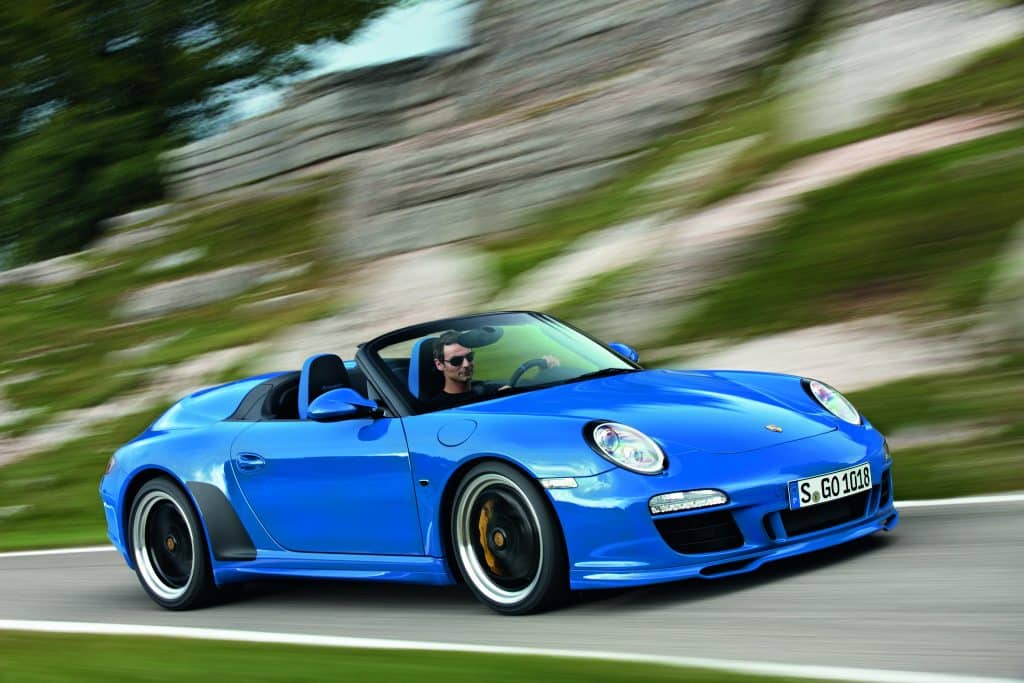
Starting in the early 2010s, speedsters began making a gradual reappearance, with rare specials like the Mercedes-McLaren SLR Stirling Moss and the one-off Lamborghini Aventador J. Although, the most notable revival came from Porsche when they revived the famed 911 Speedster for the 997 generation in 2012. Porsche practically invented the speedster category back in 1954 when they created the 356 Speedster, but after the 964 generation 911 Speedster, the roofless Porsche 911 did not return for a full series production model again until the 997 generation.
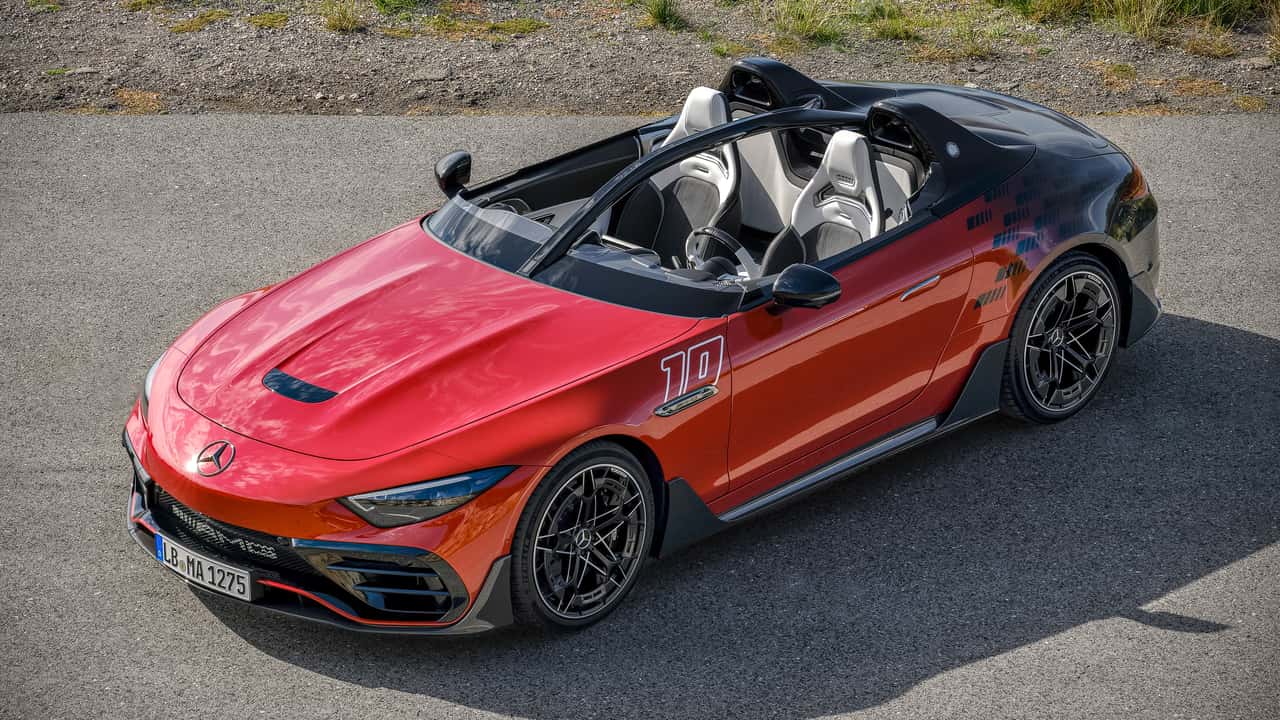
Fast forward to the 2020s, and this once-elusive sub-market of sports cars has continued to accelerate, seeing more entrants not just from your typical luxury performance brands, but from brands less associated with speedsters such as Bentley. The latest example of speedster expansion comes from the recently revealed Mercedes-AMG Purespeed, essentially an open top special based on the SL63 roadster. Originally revealed as a concept earlier in 2024, the Purespeed is now confirmed to be entering a limited production run of 250 units. The Purespeed mostly feels like an afterthought approach to inject some excitement into the somewhat underwhelming SL range while also allowing Mercedes to showcase some “F1 inspired” design features like the central halo bar running over the cabin.
Seeing that even the Mercedes-AMG SL is now a candidate for building a speedster derivative, it got me thinking about how many of these slick open top vehicles have been revealed over the past decade. It feels like we never get through a full year without having some new speedsters debut at Monterey Car Week, Goodwood Festival of Speed, or other global concours events. Here’s a look at the modern wave of speedsters created from various performance brands, including some you probably never heard of.

Aston Martin V12 Speedster
Launched in 2020, the Aston Martin V12 Speedster is an unapologetically visceral machine based on the V12 Vantage, blending Aston Martin’s timeless elegance with unrestrained performance. Powered by a 5.2 liter twin-turbo V12 producing 700 horsepower, the V12 Speedster features a sleek, roofless design with a distinctive central spine connecting the body work in between the driver and passenger seat. With just 88 units produced, it is a strikingly rare gem in Aston Martin’s portfolio.
Aston Martin DBR22
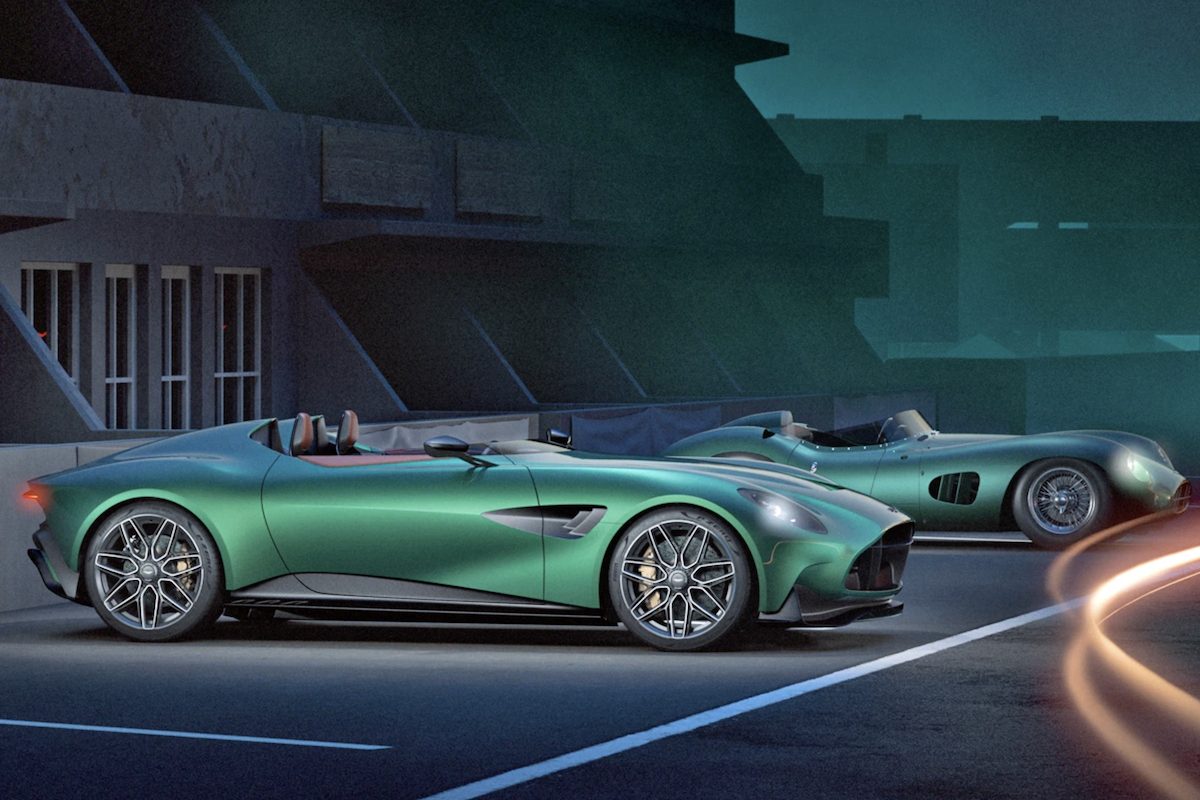
Introduced in 2022, the Aston Martin DBR22 celebrates 10 years of Aston Martin’s bespoke Q division. Inspired by the legendary DBR1 race car of the 1950s, the DBR22 features a 5.2 liter V12 delivering 715 horsepower and is crafted primarily from carbon fiber. While still based on the Vantage platform, the exterior design is more unique, although you would expect it be more bespoke given its highly limited production run. Aston Martin expects to build no more than 22 units of the DBR22.


Aston Martin Zagato Speedsters
With the help of Zagato, Aston Martin has really been showcasing their love for sleak open top variants of the already exclusive coach built Astons like the Vanquish Zagato and first generation V12 Vantage Zagato. Launched in 2017, the Vanquish Zagato Speedster is part of a four model Zagato collection, including the Coupe, Volante, and Shooting Brake. The Speedster is characterized by its striking design, with the rear speed humps blending into the bodywork, emphasizing its open cockpit layout. Powered by a 5.9 liter naturally aspirated V12 producing 580 horsepower, the Vanquish Zagato Speedster delivers both thrilling performance and a sense of bespoke luxury. Only 28 units of this Speedster were produced, further solidifying its exclusivity and desirability among collectors.
First introduced in 2012 to celebrate Aston Martin’s 50-year partnership with Zagato, the V12 Zagato was initially intended to have a 150 unit production run, but they never fully sold out. As a result, Aston Martin and Zagato revisited the model for a second time in 2020 by creating the new V12 Zagato Speedster variant in 2019 as an ultra-rare bespoke model. The Speedster was actually sold as a pair alongside the standard V12 Zagato Coupe, providing Aston Martin’s ultra wealthy clients with an opportunity to secure a Zagato model from years past, but also get a new exclusive variant in the process. Only 19 pairs were produced at a total cost of $2.2 million each.

Lamborghini SC20
A product of Lamborghini’s Squadra Corse division, the SC20 is a one-off Speedster built for a discerning client in 2021. It combines the extreme design language of Lamborghini with a naturally aspirated 6.5 liter V12 producing 770 horsepower. The SC20 can be thought of as the spiritual successor to the Aventador J, and the Gallardo based Concept S that came before. So far, Lamborghini has yet to invest in a full series production speedster.

McLaren Elva
McLaren’s entry into the speedster market came with the Elva, an homage to the Bruce McLaren designed M1A. The Elva features a 4.0 liter twin-turbo V8 generating 804 horsepower and although the initial design featured no windscreen at all, relying on the innovative Active Air Management System to deflect airflow over the open cockpit, McLaren later introduced a windscreen equipped variant to meet customer preferences and legal requirements in certain markets. Originally slated for 399 units, production was reduced to 149 due to lower than anticipated demand, showing an interesting example of market fatigue in this limited production sub-markets.

Ferrari Monza SP1 and SP2
Arguably the most attractive of the modern speedster revivals, Ferrari’s Monza SP1 and SP2 debuted in 2018 as the first models in the new Icona series. Based on Ferrari’s 812 Superfast, the Monza came equipped with a naturally aspirated 6.5 liter V12 delivering 810 horsepower to the rear wheels. The Monza models are split into single-seater (SP1) and two-seater (SP2) configurations, although the actual cockpit configurations are identical, with the SP1 model having its passenger area covered with additional body panels to isolate the driver seat. Ferrari produced 499 units.
Bentley Bacalar
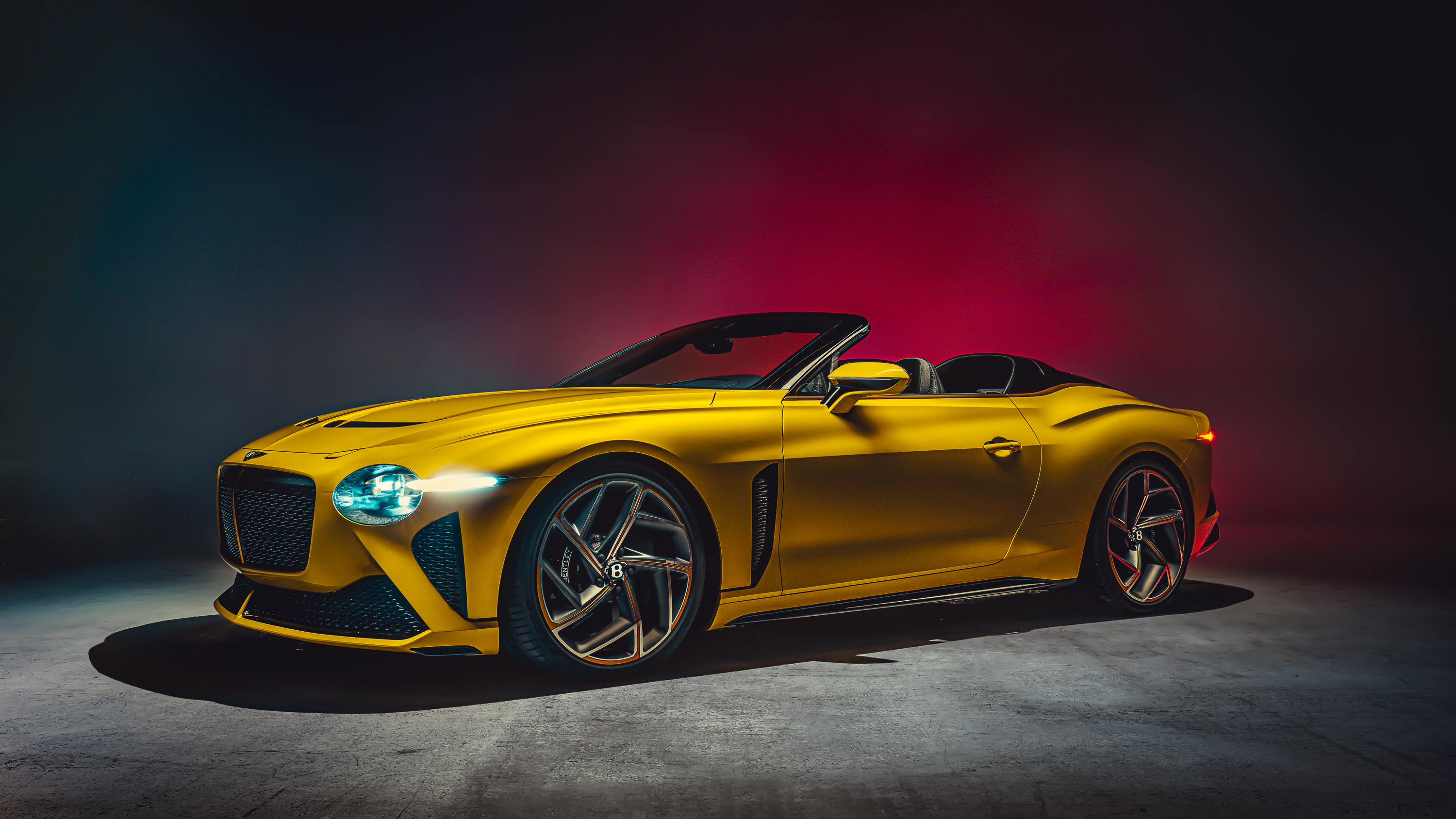
The Bentley Bacalar, unveiled in 2020, marked a significant milestone for Bentley’s Mulliner division. Limited to just 12 units, its 6.0 liter W12 engine produces 650 horsepower and the design takes inspiration from the EXP 100 GT concept. Its open cockpit layout and dramatic lines embody the essence of luxury, while the hand built nature of the car ensures unparalleled attention to detail. The Bentley brand is not where you would typically expect to find less practical variants like a speedster, but I think that is precisely what makes the Bacalar so much more intriguing.

Porsche 993 Speedster Remastered by Gunther Werks
Gunther Werks, renowned for reimagining air-cooled Porsche 911s, unveiled their 993 Speedster in 2021. Since Porsche themselves only ever made a couple of 993 Speedsters from the factory, OEM+ brands like Gunther Werks decided it was time to make their contribution to the Speedster market by filling the gap left by Porsche. Based on the 993-generation Porsche 911, this bespoke speedster features a 4.0 liter flat six engine producing 435 horsepower and an open design emphasizing driver engagement. Production is capped at just 25 units, making it a purist’s dream.

Pininfarina B95
Speedsters are making their way into nearly every performance vehicle sub-market, which is why we now have the world’s first fully electric speedster, the Pininfarina B95. Revealed in 2024 by the Italian design house, it is powered by a 1,874-horsepower electric drivetrain that delivers astonishing performance while maintaining Pininfarina’s hallmark of elegance. The B95 debuted during Monterey Car Week in 2023 and is set to begin production in 2025. Limited to only 10 units that are all fully allocated, the B95 marks a significant milestone in the evolution of speedsters. It’ll be interesting to see how the collector market values a fully electric speedster in the decades ahead.

Morgan Midsummer
Even Morgan, a small production british manufacturer best known for their vintage inspired designs, have decided that they can carve out their own interpretation of a speedster sports car. The design of Morgan’s “Plus” series cars date all the way back to the 1930s, going through continuous revisions, they are now sold as the Plus Four and Plus Six. The Plus Six and its BMW B58 powertrain was used as the basis for the Midsummer speedster variant, which was built in collaboration with famous Italian design house Pininfarina. Only 50 units of the Midsummer will be produced at a cost of $220,000, featuring no roof and barely visible aero screens in front of the cockpit. Worth noting that Morgan previously produced another low production roofless model back in 2014 with the Plus 8 Speedster, built to celebrate the 100th year in their Malvern, England factory. That model was limited to 60 units.
Speedster Fatigue?
Once an anomaly reserved for special editions or racing inspired tributes, the speedster has transformed into a staple offering among luxury automakers. This shift reflects changing tastes among collectors, with affluent buyers increasingly drawn to vehicles that offer an unparalleled blend of exclusivity, design, and performance. The speedster’s open cockpit layout and dramatic aesthetics tap into the romanticism of driving, a feeling of liberation that few other cars can replicate.
However, the recent oversaturation raises questions about the longevity of the speedster’s allure. As more brands flood the market with their interpretations, the inherent rarity that once defined the segment risks being diluted, which was partially proven by demand for the McLaren Elva. For now, the various performance car manufactures show no signs of slowing down, as collectors typically snap up most of these limited production creations. Whether this trend will sustain its momentum or reach a saturation point remains to be seen. What is clear is that the modern speedster has solidified its place as an icon of bespoke craftsmanship in the collector car market.