Station wagon, estate, touring, variant, combi, sportwagen, shooting brake. Manufacturers often blur the lines of how they define what an average consumer would simply consider to be a station wagon, but generally, one common similarity is retained; station wagons are derived from their four door sedan equivalents. For buyers that want more cargo space than the enclosed trunk of a sedan, they can step up to the longer station wagon version and get access to an expanded rear section, sometimes even a third row of booster seats. Car enthusiasts typically feel that wagon versions of most vehicles look better than the sedan, which can get especially appealing if the vehicle’s performance trim is also offered in wagon form.
However, there are some interesting exceptions where wagons did not originate as a sedan, but rather, a hatchback. A hatchback? Isn’t that type of vehicle already wagon-ish? Pretty much yes, hatchbacks offer the same practicality of station wagons in a slightly smaller footprint (and are often cheaper). Hatchbacks are generally well rounded vehicles, which is why they remain a popular segment in the global car market with many offerings across various price points. Regardless, some brands felt there was enough room in the market to offer both a hatchback variant and a wagon variant for the same model alongside one another.

Ford Focus ST Estate
Everyone is familiar with the fast Ford Focus models, both in ST and RS forms. While the RS was only ever offered in hatch form, the entry performance tier Ford Focus ST was actually offered as a station wagon in European markets. Starting in the third generation Focus, Ford Europe introduced the Focus ST wagon, which also carried forward into the fourth generation model (pictured). Power output was identical to the standard hatchback Focus ST, but offered a more family friendly solution to Ford performance fans.


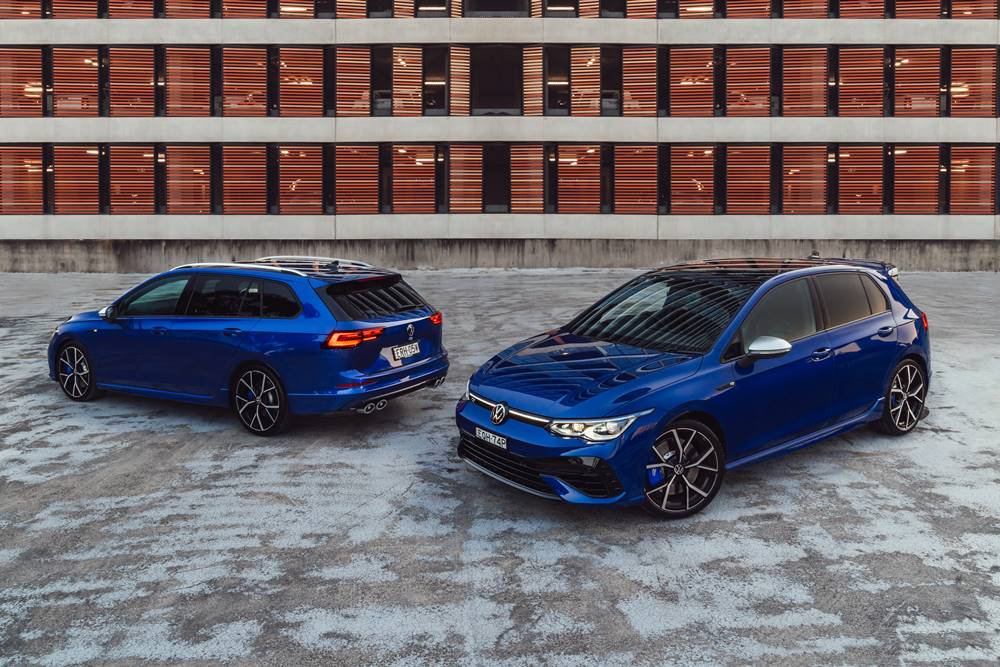
Volkswagen Golf R Variant
Introduced for the Mk7 generation Golf, Volkswagen released the Golf R Variant (their name for wagons) in European markets. American markets would only ever receive the Golf GTI and Golf R as 5 door hatchbacks for those model years, but the extended wagon variant made sense for Europe where wagon sales are much stronger. The success of the Golf R Variant within the enthusiast crowd allowed for its return within the Mk8 generation Golf. In its latest Mk8 generation, Volkswagen did provide the Variant Golf R with a modest 14 horsepower bump over the hatch model, bringing total power to 329 horsepower.
Cupra Leon Sportstourer / Seat Leon Cupra Sportstourer
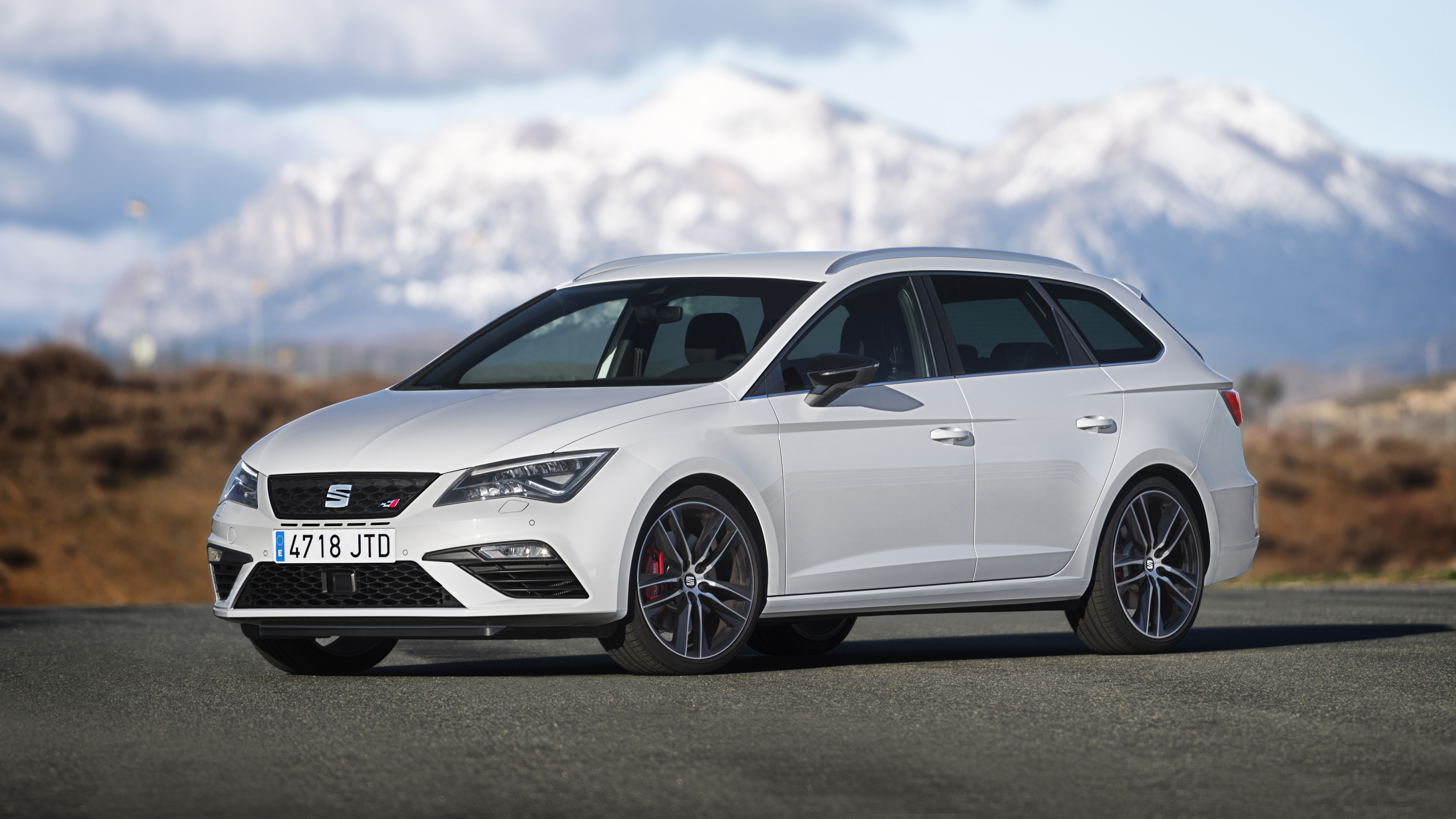
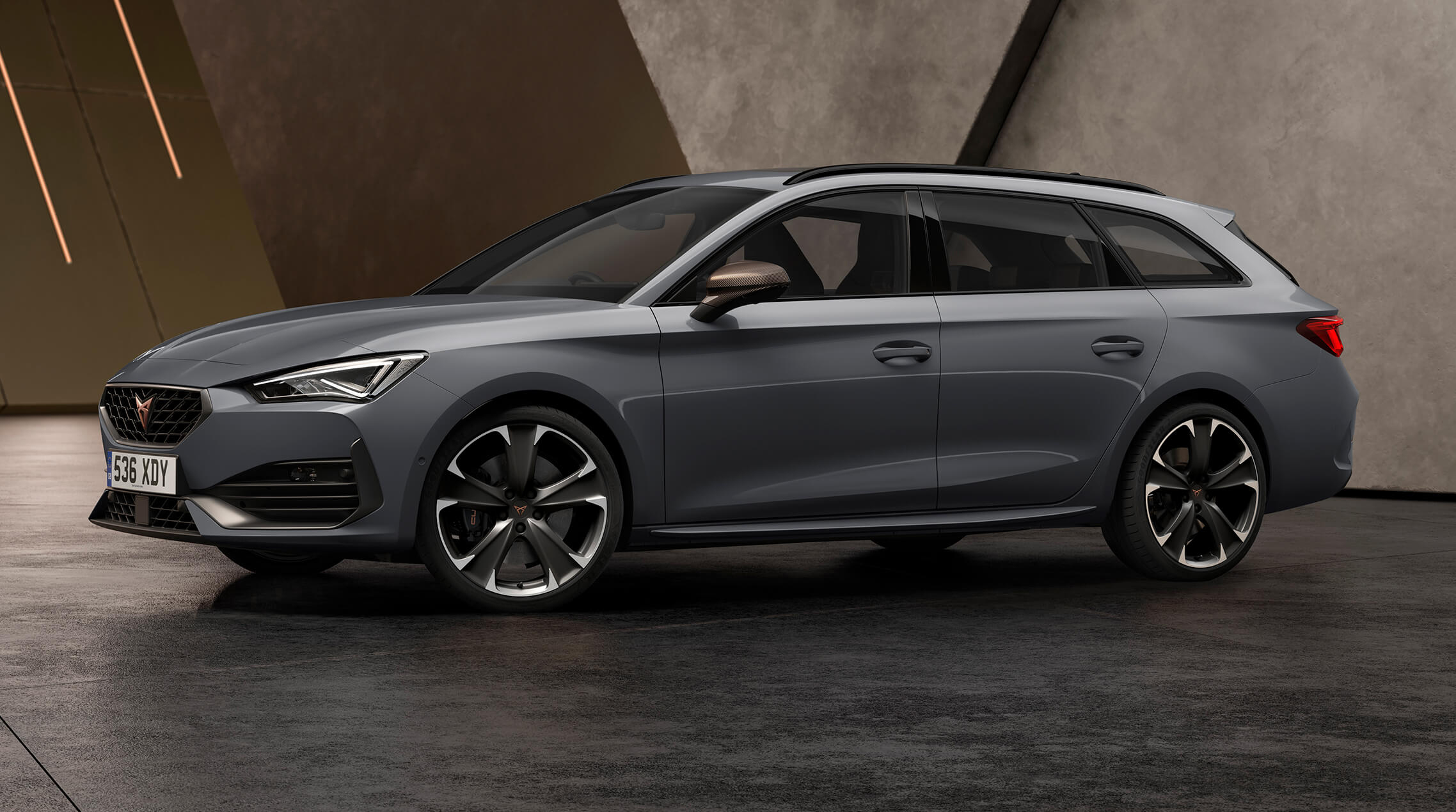
With Seat being a part of the VW Group brands, the Seat Leon hatchback has long been offered as their equivalent to the Volkswagen Golf and Audi A3 platform. The Mk1 Leon introduced the high performance Cupra model, which would continue as an option for future generations of the Leon until Seat decided to spin off Cupra into its own performance focused brand starting in 2018. The brand split now meant that you could purchase a standard Seat Leon or a performance focused Cupra Leon.
While the Leon is traditionally thought of as a hatchback, it was also offered as a station wagon. This resulted in performance wagon variations during both of its production runs as a Seat and as a Cupra, the Seat Leon Cupra Sportstourer and the Cupra Leon Sportstourer respectively. From a platform perspective, these hatch based wagons are a brand derivative of the previously mentioned Volkswagen Golf R Variant. In fact, Seat even went a step further during the third generation Leon, where they offered a more powerful version called the Seat Leon Cupra R Sportstourer (pictured below). They only sold 150 examples of that rare performance wagon in the UK.

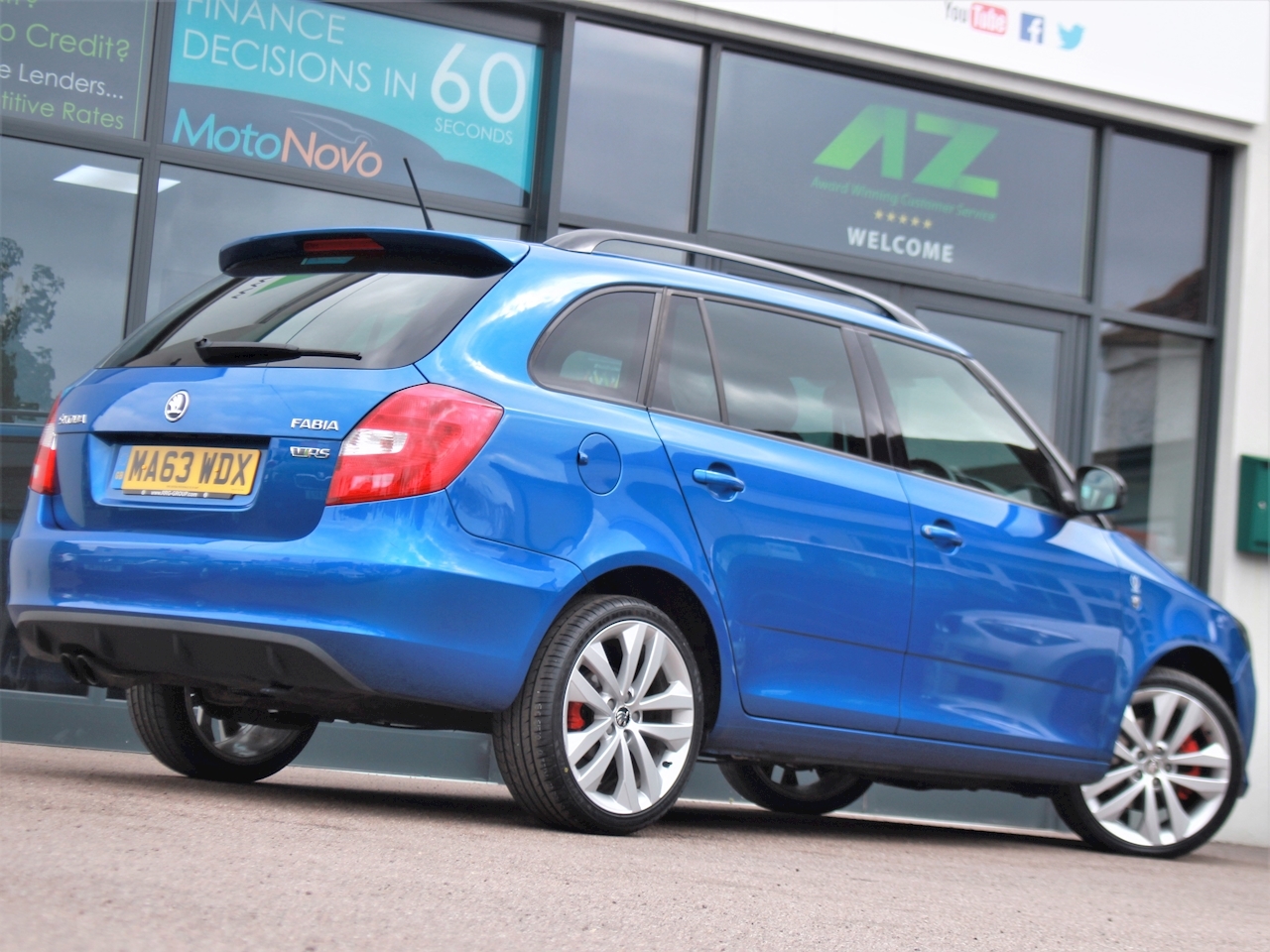
Skoda Fabia vRS Combi
A bit of an oddball in this list, the Fabia is a compact hatchback sold under another VW Group brand, Skoda. It’s still on sale today as Skoda’s version of the Volkswagen Polo and Seat Ibiza. The vRS name has been used as Skoda’s top performance trim across their lineup, which meant the Fabia also received a vRS version during its first and second generations. Given the Fabia has also been offered in “Combi” station wagon form, this allowed Skoda to release the Fabia vRS Combi during its second generation . It’s certainly an awkward and tall looking wagon, but it delivered performance similar to its brand cousin, the Mk5 Volkswagen Polo GTI. The vRS trim did not return for the third generation Fabia, which leaves the Fabia vRS Combi as a quirky outlier within Skoda’s performance model history.
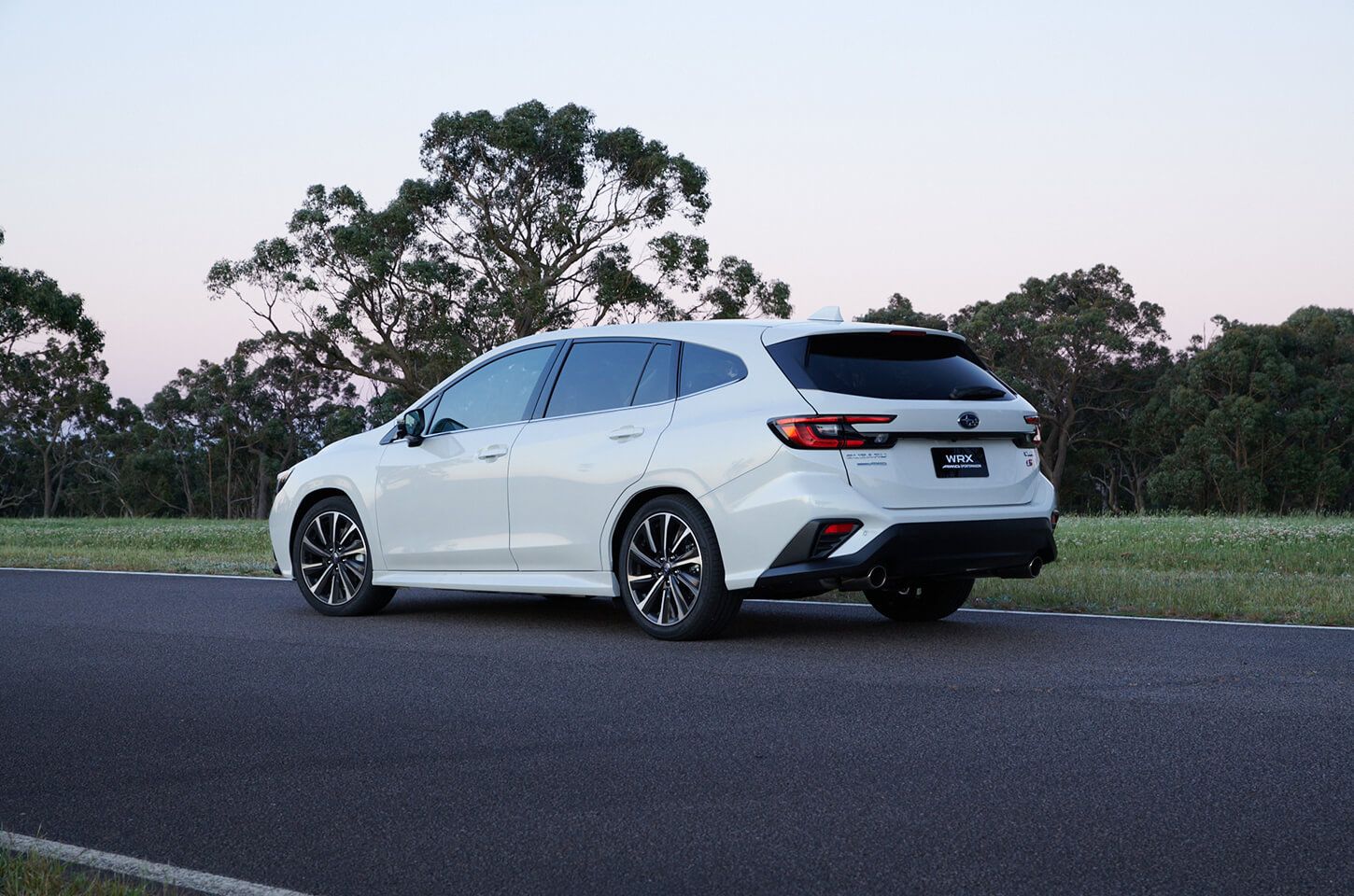

Subaru WRX Sportwagen / Levorg STI Sport
A bit of a technicality on this last one, as Subaru currently only sells the WRX as a sedan in America. They also only sell the current generation Impreza as a hatchback in America, but despite the WRX essentially being a performance trim of the Impreza, Subaru has been selling them as separate models for some years now.
What Subaru has never sold in America however, is the Levorg. The Levorg is basically a station wagon version of the Impreza, which has allowed Subaru to produce some performance versions of it to sell alongside the WRX in other markets. The names get a bit confusing depending on the country, but Subaru currently sells the WRX Sportwagen in Australia as well as the more powerful Levorg STI in Japan. Subaru also recently introduced a 500 limited production run of Levorg STI Sport for Japan (pictured above).
I always felt that turning a long roof based vehicle into a new version with an even longer roof never looked that great aesthetically, compared to simply filling out the empty rear space left available when designing a three box sedan. The base vehicle was already designed from scratch to be a hatchback, so turning that design into a wagon can produce awkward results that do not compliment the vehicle’s original proportions. The Skoda Fabia vRS Combi and Ford Focus ST Estate and probably the worst offenders of this, but I will admit, the Golf R Variant and Seat/Cupra Sportstourer models do pull it off better.
Do these hatchback based wagons really need to exist? Probably not, as proven by this noticeably short list of applications from various car brands. The performance wagons probably appeal to more buyers in the form of BMW M3/M5 Touring, Audi Avants, AMG wagons, or a Volvo V90 T8, but at the same time, we should never complain about more performance wagon options out there for us to enjoy!