Despite the growing popularity of the mid-size truck segment in the U.S., there are numerous other offerings around the globe that dominate their own markets, but have never been brought into America, or may even be from brands you’d never expect to see building pickup trucks. From familiar names with decades of building rugged trucks, to some unexpected platform sharing creations, here’s a look at ten pickup truck models that you won’t find on U.S. dealer lots.
Kia Tasman
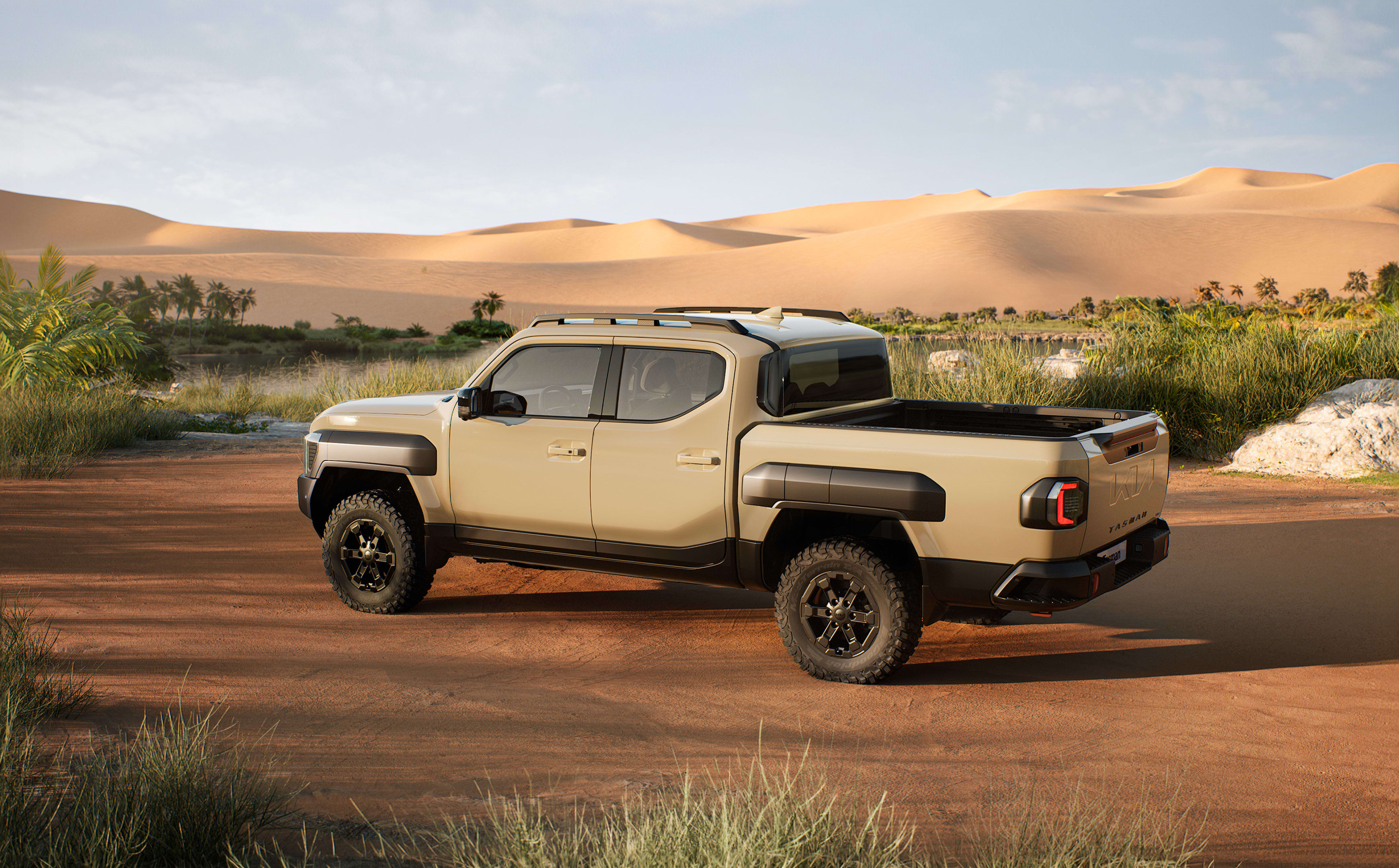
Kia’s upcoming Tasman pickup signals the brand’s serious move into the global truck game. Built on a ladder-frame chassis, it’s expected to launch with diesel options first, including a 2.2-liter turbo four-cylinder making about 200 hp and 325 lb-ft of torque. Kia has also hinted at electrified versions down the road.
What makes the Tasman intriguing, besides its questionable styling, is Kia’s reputation for packing value and tech into segments where established players dominate. If it carries over Kia’s trademark long warranty, sharp design, and feature-rich interiors, it could shake up markets where the Toyota Hilux and Ford Ranger usually reign.

Renault Alaskan
The Renault Alaskan is essentially a rebadged version of the Nissan Navara, which also spawned the short-lived Mercedes-Benz X-Class. Power comes from a 2.3-liter twin-turbo diesel four-cylinder making around 190 hp and 332 lb-ft of torque, matched to either a six-speed manual or a seven-speed automatic.
While Renault is best known in the States (if at all) for quirky French cars, abroad it’s a volume player in commercial vehicles across various size classes. The Alaskan feels like a curious blend of French styling cues with proven Japanese underpinnings, and a brief tie-in to luxury truck ambitions from Mercedes-Benz.
Isuzu D-Max
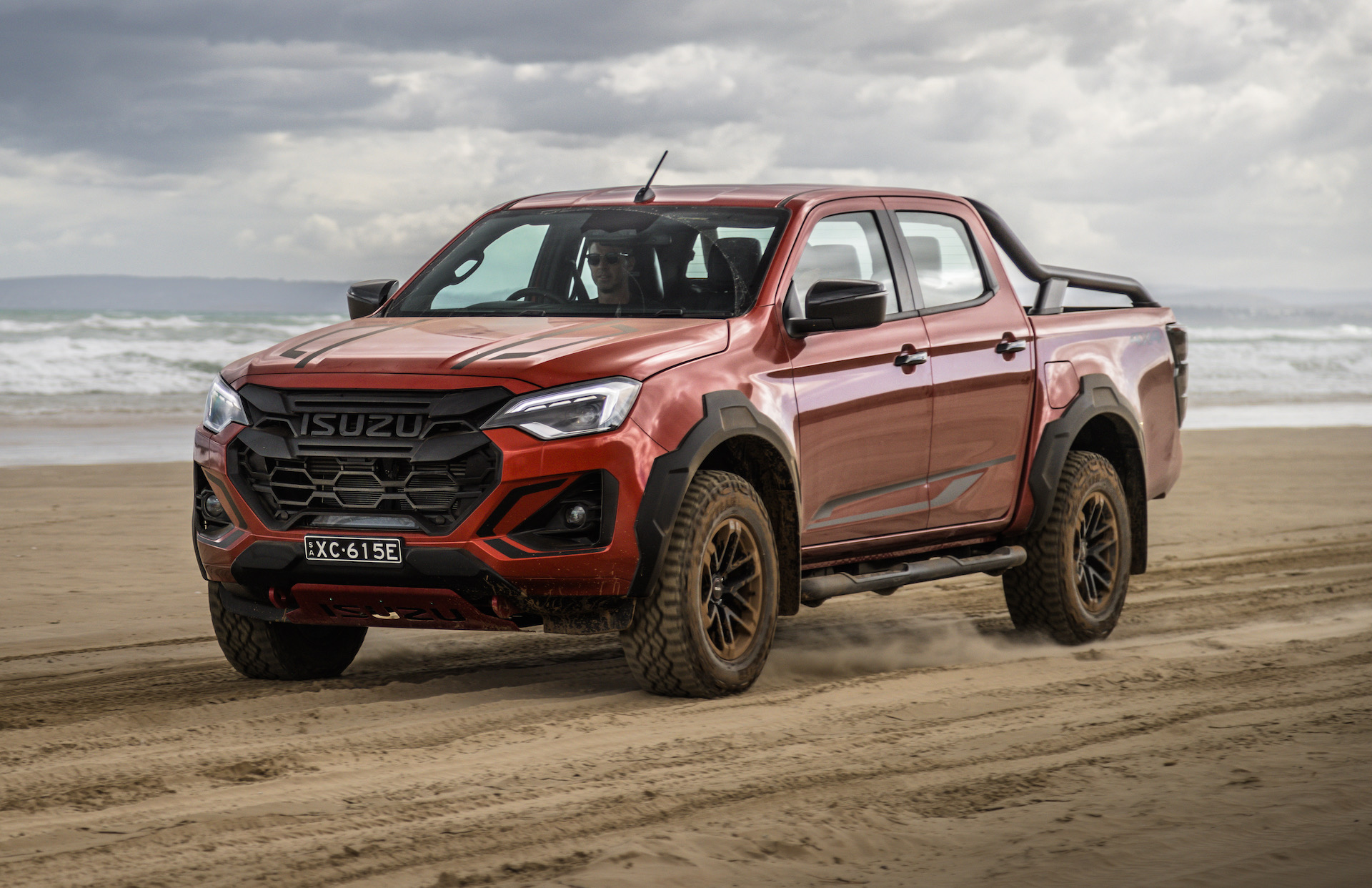
The Isuzu D-Max has carved out a strong reputation across Asia, Australia, and Europe. Under the hood sits a 3.0-liter turbo-diesel producing about 187 hp and 332 lb-ft of torque. Configurations range from stripped-down work trucks to well-equipped lifestyle models with leather interiors and modern infotainment. Over the years, Isuzu has continuously refined the D-Max, with no shortage of special edition versions, such as the “Blade” and “X-Terrain” models.
Though Isuzu has disappeared from the American passenger vehicle market, enthusiasts may remember the I-Series as their last pickup truck sold here. Abroad, the D-Max is respected for its ruggedness and reliability, proof that Isuzu still knows how to build a truck that can serve numerous use cases and lifestyles.
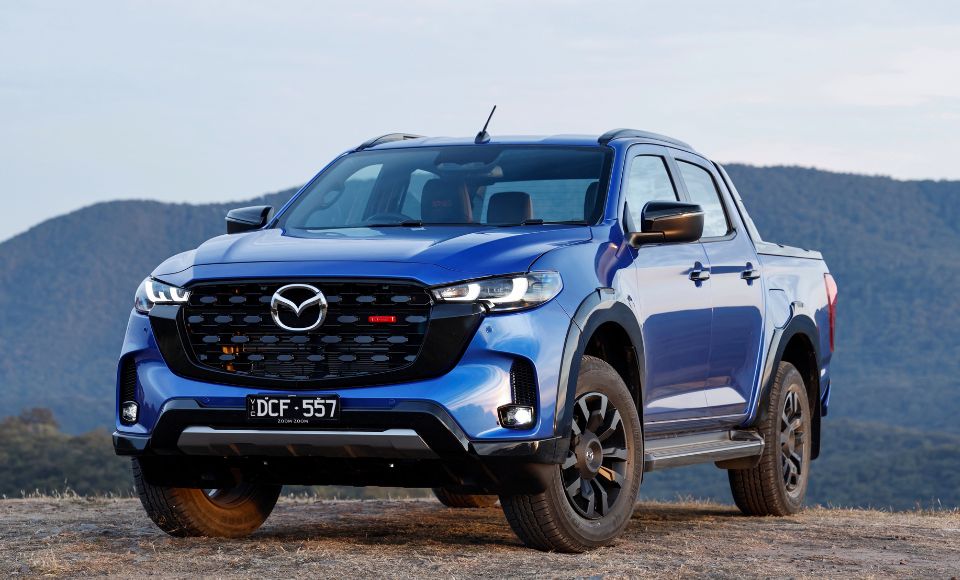
Mazda BT-50
The Mazda BT-50 is a mechanical twin to the Isuzu D-Max, which means its powered by a 3.0-liter turbo-diesel four-cylinder with around 187 hp and 332 lb-ft of torque. Where Mazda differentiates itself is styling, applying its “Kodo” design language to a segment that usually emphasizes utility over aesthetics.
Other than the early rotary powered REPU, Mazda has never built a pickup using their own home grown platform. Prior generations of the BT-50 were based on the global Ford Ranger, while the American market B-Series truck was based on the U.S. Ford Ranger at the time.
Mazda’s U.S. lineup is now fully car and crossover based, but the BT-50 keeps its global truck heritage alive. Think of it as a truck with more emphasis on refinement and style, while still being backed by the rugged reliability of Isuzu’s engineering.

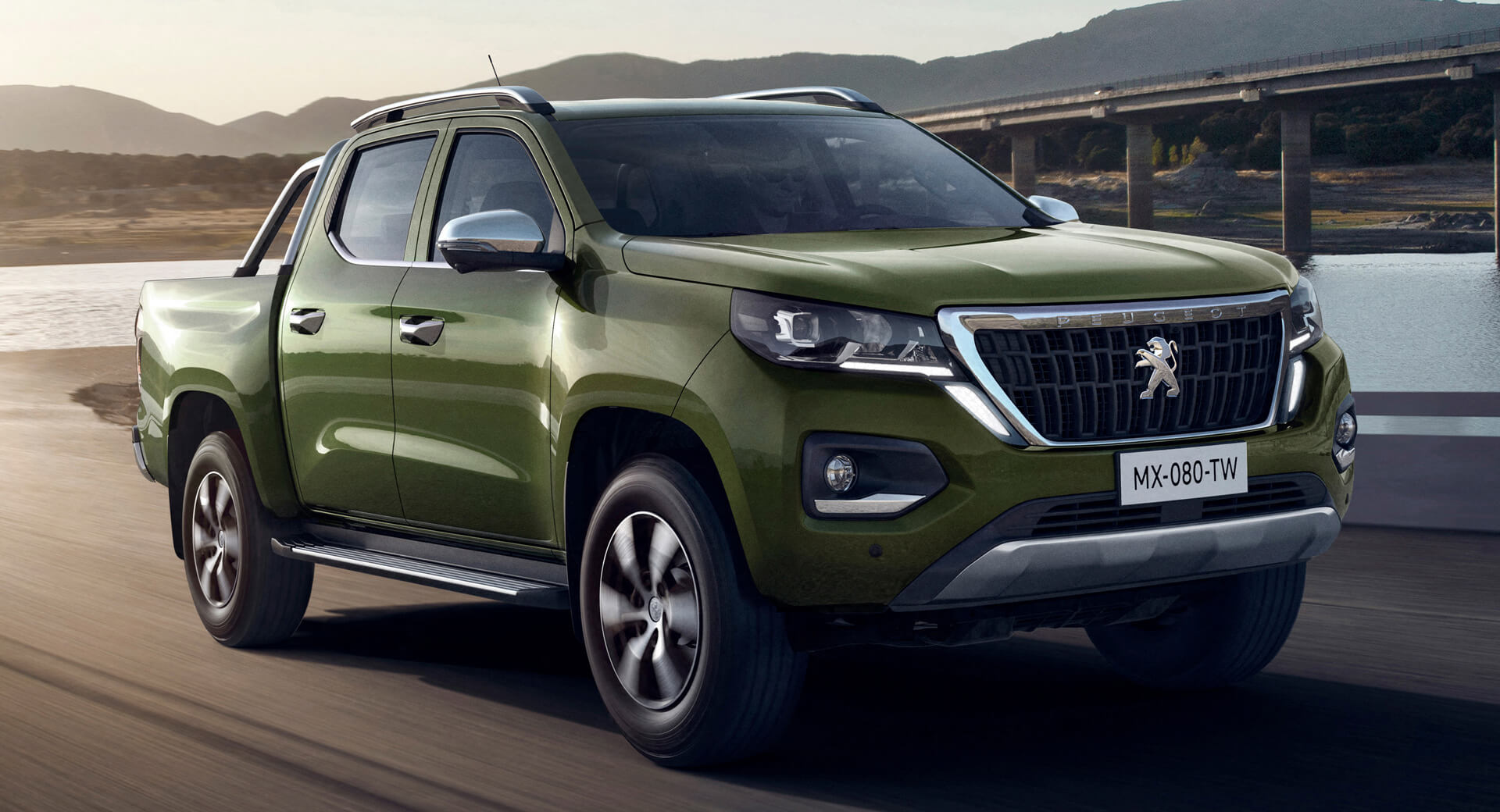
Fiat Titano & Peugeot Landtrek
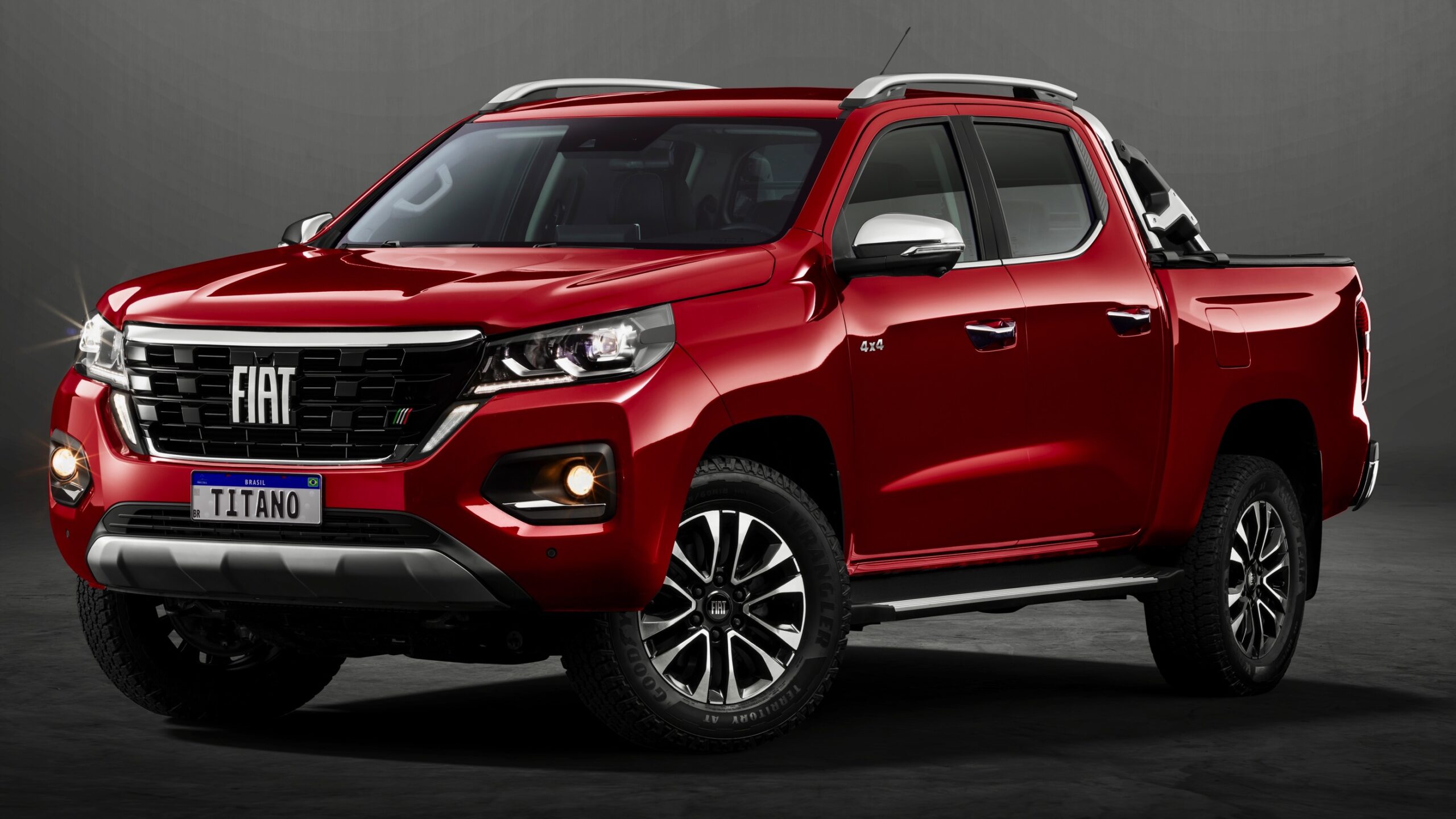
Europe and South America get the Fiat Titano and Peugeot Landtrek respectively, two badges on essentially the same truck, co-developed with Chinese automaker Changan. Power comes from a 1.9-liter or 2.2-liter turbo-diesel, topping out around 200 hp and 332 lb-ft of torque. Not earth-shattering performance, but plenty for the markets they serve.
The Landtrek wears Peugeot’s modern SUV styling cues, while the Titano leans on Fiat’s commercial-vehicle credibility. Peugeot does not currently sell passenger cars in the U.S., and Fiat is barely hanging on with the revived 500e as its single model, but it’s fascinating to see these brands chasing Toyota, Mitsubishi, and Ford in the global truck market. If nothing else, it shows how global partnerships create trucks you’d never expect from two historically car-centric companies.
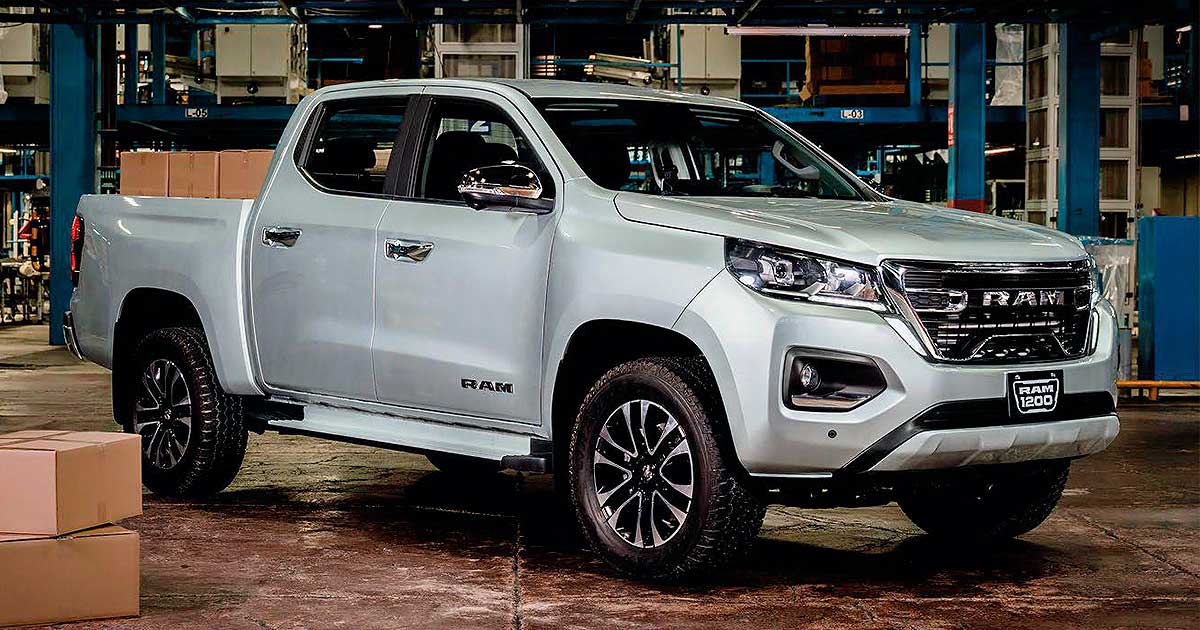
Ram 1200 (2024)
The Ram 1200 is Stellantis’ newest entry into the global mid-size pickup space, this time spun directly from the recently introduced Fiat Titano. That means it shares much of its underpinnings with the Peugeot Landtrek as well, all born out of Stellantis’ partnership with Chinese automaker Changan. Power is expected from a 2.2-liter turbo-diesel making roughly 200 hp and 332 lb-ft of torque, with manual and automatic gearboxes depending on the market.
Rather than being a downsized version of the U.S.-market Ram 1500, the 1200 is really Stellantis’ way of ensuring the Ram badge has a presence in truck-heavy regions like South America and the Middle East. It’s not flashy, but it extends Ram’s global reach and gives the brand a foothold in segments where Toyota and Ford usually dominate. This is actually the second iteration of the Ram 1200, with the first generation being based on the Mitsubishi Triton and Fiat Fullback.
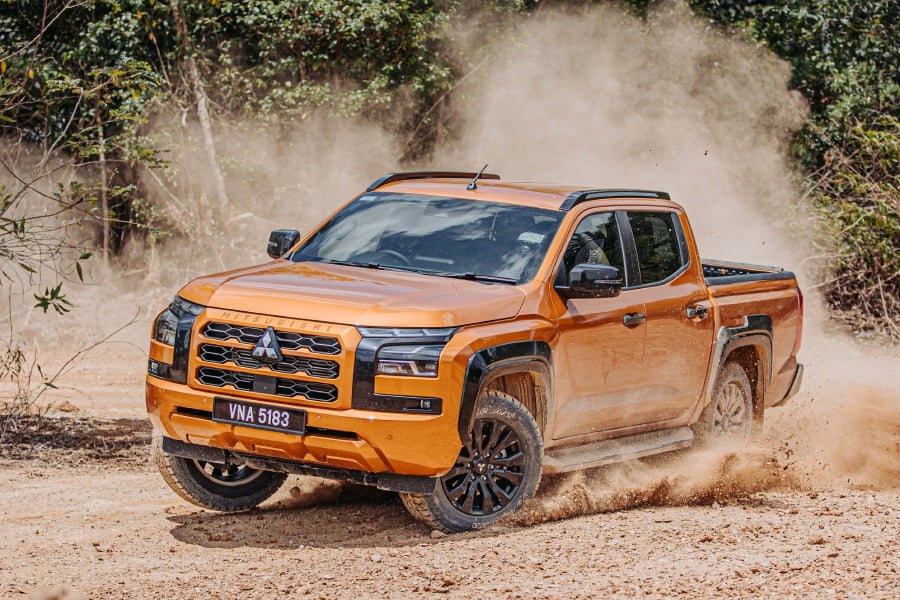
Mitsubishi Triton (L200)
Known as the Triton in Asia and the L200 in Europe, Mitsubishi’s mid-size truck has long been a global workhorse. The latest generation comes with a 2.4-liter twin-turbo diesel four-cylinder producing about 201 hp and 347 lb-ft of torque. It rides on a newly developed ladder frame with improved rigidity and suspension tuning, making it more refined on-road without losing toughness.
Mitsubishi hasn’t sold a pickup in the U.S. since the Raider (itself a rebadged Dodge Dakota), but the Triton shows what could have been. It’s a truck that splits the difference between utilitarian tool and daily driver, reflecting Mitsubishi’s history of building capable 4x4s like the Pajero/Montero.

MG Extender
MG, yes that MG, the brand once synonymous with compact British roadsters, is now selling a workaday pickup based on the Maxus T90. It’s a wild pivot from its heritage, and a reminder of how global brand ownership can stretch a nameplate into totally unexpected territory.
The MG Extender is built on a SAIC platform and aimed at buyers who want maximum value. A 2.0-liter turbo-diesel makes about 161 hp and 280 lb-ft of torque, paired to either manual or automatic gearboxes. Payload capacity tops 2,200 lbs, with towing close to 6,600 lbs, making it competitive despite its budget positioning.
It’s not flashy, and its interior leans basic, but that’s part of the charm. In markets like Thailand, the Extender is a dependable, affordable alternative to the mainstream brand trucks.
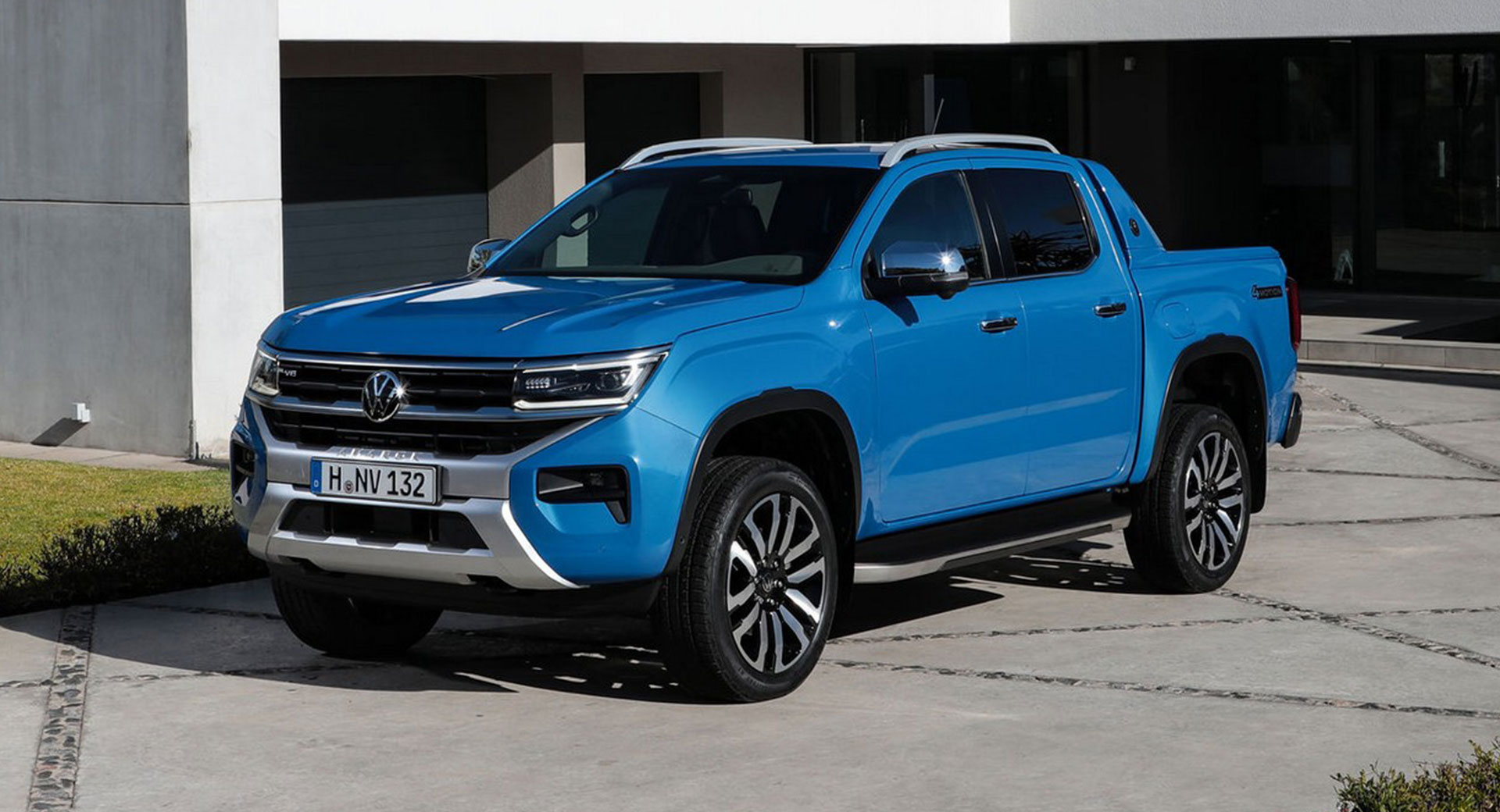
Volkswagen Amarok
The Volkswagen Amarok has been around since 2010, though the latest generation is now based on the Ford Ranger. Engine choices include a 2.0-liter turbo-four and a 3.0-liter turbo-diesel V6 good for 237 hp and 442 lb-ft of torque. Inside, it blends Ford switchgear with Volkswagen design sensibilities, creating one of the more upscale cabins in the segment.
Volkswagen walked away from selling passenger cars like the Passat and Golf in the U.S., but globally it leans hard on the Amarok to reach lifestyle truck buyers. With strong towing, payload, and a premium-feeling interior, it’s the kind of truck that could slot into the U.S. market tomorrow if Volkswagen wanted to roll the dice.

Nissan Frontier Plug-in Hybrid (2025)
The next-generation Nissan Frontier Plug-in Hybrid is set to launch overseas before it ever gets close to U.S. shores. Expected output is around 288 hp and 420 lb-ft of torque from a hybridized four-cylinder setup, putting it right in the sweet spot for mid-size performance. An electric-only range of roughly 25–30 miles should make it city-friendly while keeping full capability for towing and hauling.
The plug-in hybrid version shows how Nissan is positioning its global truck lineup for stricter emissions standards while delivering more torque and efficiency. If it ever makes it here, it would be a welcome modernization of a nameplate that’s been part of the U.S. truck landscape for decades.
Taken together, these ten trucks paint a fascinating picture of the global pickup scene. Some are rugged workhorses with decades of credibility, others are rebadged curiosities born of platform sharing, and a few are badge-bending surprises from brands you’d never expect to see building trucks at all. Most, if not all of these trucks, will ever make the leap into our market, but for enthusiasts, it’s fun to imagine an alternate reality where Kia, Renault, or even MG are parked next to Toyota Tacomas and Chevy Colorados at the local Home Depot.